
UPI Goes Global: PM Modi Unveils India’s Next Digital Payments Mission

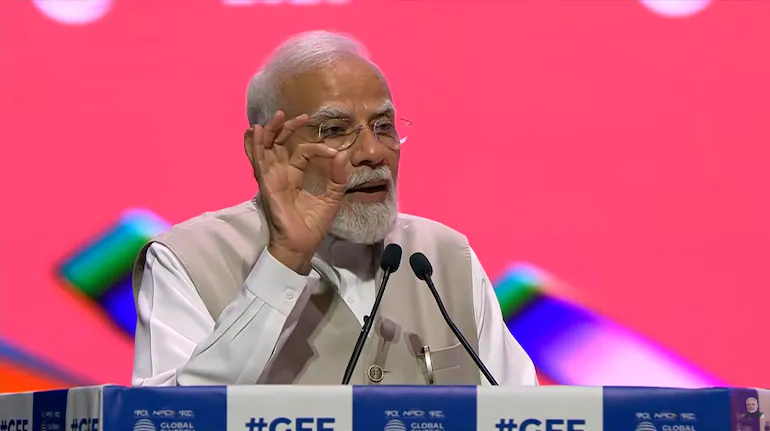
India’s digital payments revolution is entering a new chapter. After transforming the way millions of Indians pay, save, and transact every day, the Unified Payments Interface (UPI) is now being positioned as a global payment network. Speaking at the Global Fintech Fest 2026 in Mumbai, Prime Minister Narendra Modi said India’s fintech ecosystem has achieved the scale and maturity needed for its next milestone—expanding UPI across the world by connecting it with the payment systems of other countries.
The vision reflects India’s broader ambition of becoming a global leader in digital financial infrastructure while making cross-border payments faster, simpler, and more affordable for businesses and the Indian diaspora.
A Decade of India’s Digital Transformation
Launched in 2016 by the National Payments Corporation of India (NPCI), UPI has revolutionized the country’s financial landscape. From small street vendors and local grocery stores to large businesses and government services, instant digital payments have become a part of everyday life.
During his address, the Prime Minister recalled how the idea of carrying a bank in one’s pocket once seemed impossible. Today, India’s digital public infrastructure—powered by Aadhaar, affordable internet, and UPI—has brought millions of previously unbanked citizens into the formal financial system and made financial inclusion a reality.
The Next Step: Connecting UPI with the World
PM Modi emphasized that UPI’s international presence is only the beginning. The platform is already operational in 11 countries, including Singapore, France, the UAE, Nepal, Bhutan, and Mauritius. However, the next objective is to integrate UPI directly with the domestic payment networks of partner nations, enabling seamless real-time transactions across borders.
He noted that countries with large Indian communities, strong trade ties, or a willingness to collaborate digitally should become priority partners. Such integration would reduce remittance costs for millions of Indians working overseas and allow families in India to receive money more quickly and efficiently.
Beyond Payments: Building the Future of Fintech
While UPI has become the backbone of India’s payment ecosystem, the Prime Minister urged fintech companies to expand their focus beyond payments. He highlighted the growing importance of digital credit, savings, insurance, pensions, and investment services, stating that technology should help create personalized and inclusive financial products for every citizen.
He also stressed that India’s future fintech growth must be built on strong cybersecurity, ethical data protection, transparent regulation, and consumer trust. As technologies such as artificial intelligence and quantum computing evolve, India has an opportunity to develop secure digital financial standards that can be adopted globally.
Empowering Small Businesses and Financial Inclusion
One of UPI’s greatest achievements has been its impact on ordinary citizens and small entrepreneurs. Government initiatives such as PM SVANidhi have helped street vendors adopt digital payments and gain access to formal credit, improving livelihoods and strengthening local economies. According to the Prime Minister, digital technology has enabled financial institutions to reach communities that were traditionally excluded from banking services.
Further strengthening this ecosystem, new UPI-based credit facilities announced during the Global Fintech Fest will allow eligible Kisan Credit Card and PM MUDRA borrowers to use sanctioned credit limits directly for merchant payments, making digital finance more accessible for farmers and small businesses.
India’s Growing Global Leadership
The Global Fintech Fest has emerged as one of the world’s leading platforms for discussions on the future of finance, bringing together policymakers, regulators, startups, investors, and technology companies from across the globe. PM Modi described India’s fintech journey as a model of innovation that combines affordability, inclusion, and large-scale public participation.
As international interest in India’s digital payment infrastructure continues to grow, UPI is increasingly being recognized not only as a technological innovation but also as a powerful example of how digital public infrastructure can drive economic growth and financial empowerment.
The MGMM Outlook
India’s Unified Payments Interface has evolved from a domestic digital payment system into a symbol of India’s growing leadership in financial technology. The announcement to expand UPI by connecting it with the payment networks of other countries reflects a vision of making cross-border transactions faster, more affordable, and more convenient for millions of Indians and global businesses. Built on India’s digital public infrastructure, UPI has already transformed everyday commerce by bringing secure and instant payments to people across urban and rural India.
The next phase of UPI is not just about global payments but about strengthening financial inclusion and economic opportunity. As digital credit, savings, insurance, and merchant financing become more integrated into the ecosystem, small businesses, farmers, and entrepreneurs stand to benefit from greater access to formal financial services. India’s fintech journey demonstrates how innovation, affordability, and inclusive technology can create solutions with both national and global impact.
(Sources: Moneycontrol, NDTV, Financial Express)


Comments