
India's Diplomatic Offensive: PM Modi Leads Global Call for Restraint as West Asia Crisis Deepens

As the military confrontation between the US-Israel alliance and Iran intensifies into its third week, Prime Minister Narendra Modi has mounted an aggressive diplomatic campaign, engaging with leaders across continents to push for immediate de-escalation and a return to diplomatic negotiations. The outreach, spanning conversations with the leaders of France, Oman, Jordan, and Malaysia on Thursday, builds upon earlier discussions with the United Arab Emirates and underscores India's growing anxiety over a conflict that threatens its core national interests.

Engaging Global Powers: The France Connection
Prime Minister Modi's conversation with French President Emmanuel Macron represented a significant dialogue with a Western power deeply invested in Middle Eastern stability. Modiji emphasized the shared global concern over the widening conflict, stressing the "urgent need for de-escalation, as well as a return to dialogue and diplomacy."
President Macron warmly reciprocated these sentiments, affirming on social media that both nations would maintain close coordination to advance peace and stability. "Thank you, my dear friend. India and France are working closely together to reduce tensions in the region and to keep diplomacy at the heart of our efforts for peace," Macron wrote, underscoring the strategic trust between the two nations.
Defending Sovereignty: Strategic Talks with Oman
The conversation with Oman's Sultan Haitham bin Tariq proved particularly significant given the Sultanate's strategic location flanking the Strait of Hormuz. Prime Minister Modi reiterated India's condemnation of violations against Oman's sovereignty and territorial integrity, a reference to recent Iranian strikes that have impacted Gulf nations.
The humanitarian dimension featured prominently, with Modiji expressing appreciation for Oman's efforts in facilitating the safe return of thousands of people affected by the conflict, including Indian nationals. Most crucially, the two leaders addressed the existential threat to global energy supplies posed by the Strait of Hormuz crisis. "India and Oman stand for safe and free navigation through the Strait of Hormuz," Modiji stated unequivocally.
Regional Solidarity: Conversations with Jordan and Malaysia
The Prime Minister's call to Jordan's King Abdullah II reinforced India's engagement with key Arab stakeholders. Expressing deep concern at the evolving situation, Modiji emphasized that dialogue and diplomacy remain the only viable pathways to restoring peace. He specifically condemned attacks on energy infrastructure, describing them as "condemnable" and warning that such actions could trigger "avoidable escalation."
In a separate conversation with Malaysian Prime Minister Anwar Ibrahim, the two leaders found common ground on multiple fronts. After exchanging Eid greetings, they discussed the deeply concerning situation and reaffirmed their shared commitment to de-escalation through dialogue. Malaysian Prime Minister Anwar later revealed that he had conveyed his country's firm stance in condemning the strikes on Iran and calling for an immediate cessation of hostilities.
Building on Previous Engagements
Thursday's diplomatic blitz followed a conversation the previous day with UAE President Sheikh Mohamed bin Zayed Al Nahyan, during which Modiji condemned recent attacks targeting the United Arab Emirates that caused civilian casualties and infrastructure damage. The UAE has faced the most intense barrage of Iranian attacks among Gulf countries since the conflict began.
External Affairs Minister S. Jaishankar has also been actively engaged, holding talks with UAE's Minister of State for International Cooperation and coordinating with Saudi Arabia, whose Foreign Minister discussed regional developments with his Indian and French counterparts.
Navigating a Complex Diplomatic Landscape
India's position in the current conflict illustrates the complexities of maintaining strategic autonomy. New Delhi must balance its historical ties with Iran against its growing strategic partnership with the United States and Israel, both actively engaged in military operations against Tehran.
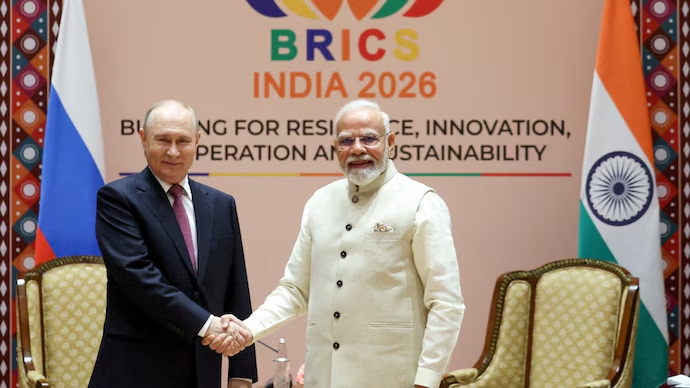
Analysts note that India has refrained from publicly condemning the initial US-Israeli strikes, a silence that could complicate negotiations with Tehran. This careful balancing act extends to multilateral forums like BRICS, where India currently holds the chairmanship and where most member nations have condemned the strikes on Iran.
The Human Cost and Regional Fallout
As diplomatic efforts continue, the human toll of the conflict mounts steadily. What began on February 28 has now claimed over 1,200 lives, according to rough estimates, with no end in sight. Iran has taken de facto control of the Strait of Hormuz, a development with profound implications for global energy security. Retaliatory strikes now span a region that produces approximately one-third of the world's oil, affecting not only direct participants but also neighboring countries.
The MGMM Outlook
Prime Minister Narendra Modi’s proactive diplomatic engagement reflects a strong sense of responsibility in navigating a highly volatile global situation. His outreach to multiple world leaders at a critical moment highlights India’s commitment to peace, dialogue, and stability, while also protecting national interests. By consistently advocating for de-escalation and diplomatic solutions, he reinforces India’s image as a balanced and constructive global actor.
Such efforts also demonstrate strategic foresight, especially given the potential risks to energy security and regional stability. Taking initiative in times of crisis not only helps safeguard immediate concerns but also strengthens India’s long-term position in global diplomacy.
(Sources: India Today, NDTV, India TV News)

Comments