
India Proposes New Settlement Charge on Electricity Exports to Bangladesh
- MGMMTeam

- 2 hours ago
- 3 min read
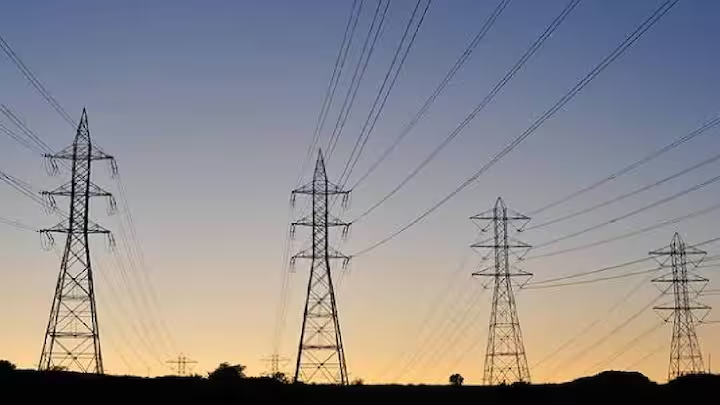
India has proposed a Settlement Nodal Agency charge of Rs 0.005 per unit on a defined portion of the electricity it supplies to Bangladesh. The fee is intended to recover costs associated with grid operations and the settlement of cross-border power transactions and would apply to 1,160 MW of supply managed through India’s state-owned NTPC Vidyut Vyapar Nigam Ltd. The proposal forms part of a regulatory framework introduced by the Central Electricity Regulatory Commission for cross-border electricity trade.
Background to the Proposed Charge
The charge is separate from the electricity tariff itself. It is designed to cover essential services such as scheduling, metering, energy accounting and overall grid management. The Central Electricity Regulatory Commission had initially considered a rate of Rs 0.01 per unit. Following representations from the Bangladesh Power Development Board, the rate was reduced by half to the current proposed level of Rs 0.005 per unit. Officials on both sides have described the additional cost as relatively modest when measured on a per-unit basis.
Progress Towards a Formal Agreement
Bangladesh’s Power Division has sought the views of the Finance Division on signing a formal Settlement Nodal Agency agreement between the Bangladesh Power Development Board and NTPC Vidyut Vyapar Nigam Ltd. The request was submitted on 18 August 2026. Under the proposed arrangement, the Indian company would serve as the nodal agency responsible for settling the relevant transactions. This is expected to streamline the existing process, which at present may require separate payments to different power producers. Any delay in concluding the agreement could create complications for the uninterrupted flow of the 1,160 MW of electricity covered by the arrangement.
Scale of Bangladesh’s Power Imports from India
Bangladesh currently holds agreements that allow it to import up to 2,656 MW of electricity from India through several channels. Government-level arrangements involving NTPC Vidyut Vyapar Nigam Ltd account for 250 MW from an NTPC plant, 300 MW from the Damodar Valley Corporation and 160 MW from the Tripura State Electricity Corporation. Further supplies include 200 MW from a Sembcorp Energy India plant routed through PTC India and an additional 250 MW sourced directly from Sembcorp. The proposed Settlement Nodal Agency agreement applies to the combined total of 1,160 MW under these arrangements.
A separate volume of 1,496 MW is supplied by Adani Power’s Godda plant in Jharkhand. Officials of the Bangladesh Power Development Board have stated that the existing power purchase agreement with Adani already contains provisions covering such charges. As a result, a separate Settlement Nodal Agency agreement is not required for that portion of the imports.
Alignment with Regional Practice and Cost Implications
The proposed rate of Rs 0.005 per unit is consistent with the Settlement Nodal Agency charges already levied on electricity traded between India and Nepal and between India and Bhutan. If Bangladesh were to import the full 1,160 MW covered by the proposed agreement on a continuous basis, the charge would amount to approximately Rs 5,800 per hour.
Cross-border electricity trade between the two countries has expanded significantly in recent years. Bangladesh’s imports from India more than doubled from 8,103 gigawatt-hours in the financial year 2020-21 to 16,438 gigawatt-hours in 2025-26. The sharp rise followed the start of supplies from the Adani Godda plant. In the financial year 2024-25, Bangladesh paid approximately Tk 19,225 crore for electricity imported from India, representing a substantial share of its overall power purchase expenditure. The average price of imported electricity has also increased over the same period.
The MGMM Outlook
India’s proposal to introduce a Settlement Nodal Agency (SNA) charge of Rs 0.005 per unit reflects a step toward making cross-border electricity trade more transparent and operationally efficient. Rather than increasing the electricity tariff, the charge is meant to recover the costs of essential grid services such as scheduling, metering, energy accounting, and settlement for 1,160 MW of power supplied to Bangladesh through NTPC Vidyut Vyapar Nigam Ltd. The reduced rate, following consultations with Bangladeshi authorities, also demonstrates an effort to balance regulatory requirements with the affordability of regional energy cooperation.
The proposal highlights the growing importance of the India–Bangladesh energy partnership, with Bangladesh now importing up to 2,656 MW of electricity from India under various agreements. As power trade between the two countries continues to expand, establishing a standardized settlement mechanism can strengthen reliability, simplify financial transactions, and support uninterrupted electricity flows. The alignment of this framework with similar arrangements already in place for Nepal and Bhutan further reinforces India’s broader vision of an integrated and stable regional power market in South Asia.
(Sources: Moneycontrol, Firstpost, The Business Standard)


Comments