
Assam Steps Up Efforts Against Illegal Immigration: Over 1,600 Bangladeshi Nationals Repatriated in Two Years

In a notable update shared in the Assam Legislative Assembly, the state government has repatriated 1,679 illegal immigrants from Bangladesh over the two-year period from July 2022 to June 2024. Assam Chief Minister Himanta Biswa Sarma presented these figures on July 13, 2026, during the budget session, marking a significant official disclosure on the state's actions regarding cross-border migration.
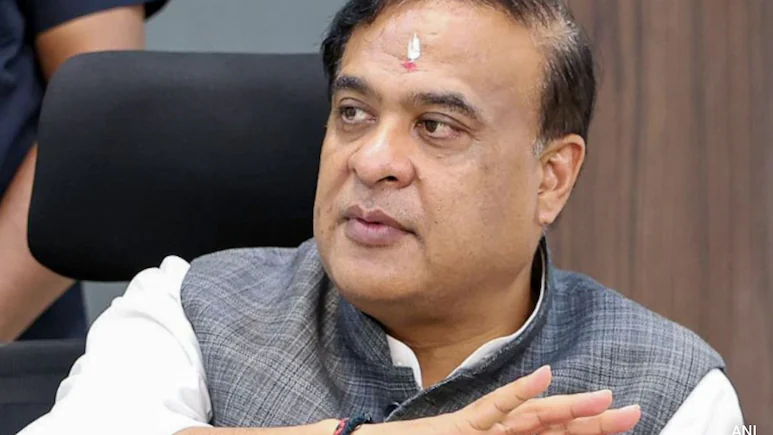
Official Disclosure in the Assembly
Responding to a query from AIUDF MLA Badruddin Ajmal, the Chief Minister informed the House that 193 individuals declared as foreigners by Assam’s Foreigners Tribunals were pushed back into Bangladesh. These actions were carried out under the provisions of the Immigrants (Expulsion from Assam) Act, 1950. Sarma stressed that the process follows central government directives and incorporates safeguards to uphold human rights. Importantly, no individuals with pending appeals in higher courts were repatriated.
Broader Detection and Repatriation Efforts
The state has made substantial progress in identifying illegal immigrants in line with the Assam Accord, which establishes March 25, 1971, as the cut-off date for citizenship. According to recent data, authorities have detected over 1.72 lakh such individuals. However, only around 31,789 have been repatriated through a combination of formal deportations, pushbacks, and expulsions.
As of mid-2026, 174 declared foreigners remain in the Goalpara transit camp, while more than 73,000 cases involving suspected illegal immigrants are still pending before the Foreigners Tribunals. These figures underscore the scale and complexity of the ongoing efforts to address illegal immigration.
The Challenge of D-Voters
Doubtful or D-voters continue to be a prominent aspect of Assam’s citizenship verification process. Earlier records indicate that the state had between 91,000 and 1.19 lakh D-voters on its electoral rolls. Foreigners Tribunals have declared a significant number of them as foreigners, with higher concentrations reported in districts such as Sonitpur, Barpeta, and Nagaon.
The state operates around 100 Foreigners Tribunals to handle these cases. Following directions from the Supreme Court, authorities have also released several long-term detainees from transit camps, reflecting an attempt to balance enforcement with humanitarian considerations.
Revival and Application of the 1950 Expulsion Act
A key development in recent years has been the reactivation of the Immigrants (Expulsion from Assam) Act, 1950. Originally introduced shortly after Partition, the legislation had remained largely unused for decades. The state government approved a Standard Operating Procedure to guide its implementation, empowering District Commissioners to issue expulsion orders for suspected foreigners based on prima facie assessments.
This framework has facilitated several pushback operations, often in coordination with the Border Security Force. Officials have described the approach as a practical measure to expedite processes while adhering to legal provisions, without requiring a formal repatriation treaty in every instance.
Diplomatic and Humanitarian Dimensions
Bangladesh has expressed reservations regarding the pushback policy, emphasising the need for proper verification and bilateral cooperation. Reports have highlighted occasional challenges at the border, including situations where individuals end up in no-man’s land. Opposition voices, including the AIUDF, have called for careful verification to prevent any wrongful inclusion of genuine Indian citizens.
The government maintains that procedures include necessary checks and focus on individuals formally identified through established mechanisms.
The MGMM Outlook
The Assam government's continued action against illegal immigration reflects a stronger commitment to implementing the provisions of the Assam Accord and safeguarding the state's demographic, cultural, and national security interests. The repatriation of illegal Bangladeshi nationals, coupled with the revival of the Immigrants (Expulsion from Assam) Act, 1950, demonstrates a more proactive administrative approach toward addressing a challenge that has shaped Assam's political and social landscape for decades. By ensuring that repatriation follows legal procedures, excludes individuals with pending court appeals, and incorporates human rights safeguards, the government is attempting to balance firm enforcement with due process.
At the same time, the large number of pending tribunal cases and the significant gap between identified illegal immigrants and those repatriated highlight the complexity of resolving the issue. Continued coordination between state and central authorities, effective border management, and transparent verification mechanisms will be essential to sustain these efforts. Addressing illegal immigration through lawful and structured processes can strengthen public confidence, protect the rights of genuine Indian citizens, and contribute to long-term stability while maintaining humanitarian considerations and diplomatic engagement where necessary.
(Sources: NDTV, Times of India, Indian Express)


Comments