
Nitin Gadkari Advocates Generational Leadership Transition for India’s Growth

Union Minister Nitin Gadkari has emphasized the importance of a planned generational shift in leadership, urging older leaders to gradually step aside and empower the younger generation to take charge across public and industrial spheres. His comments, made during the Advantage Vidarbha–Khasdar Audhyogik Mahotsav in Nagpur, reflect a vision of India that balances experience with youthful innovation, ensuring continuity while embracing new ideas.
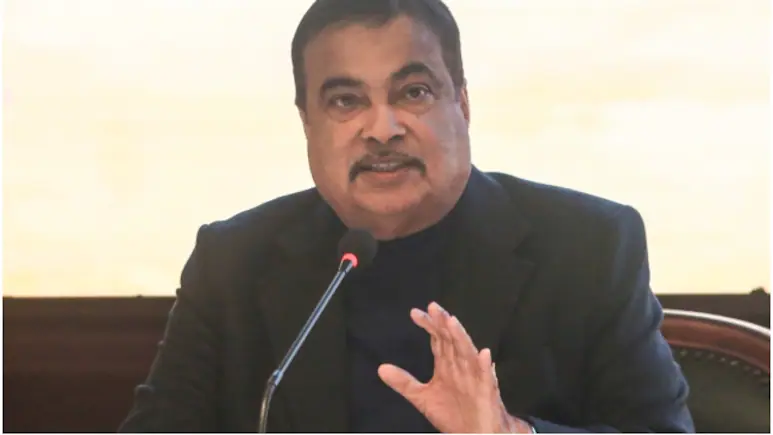
Embracing Youthful Leadership
During the press briefing, Gadkari highlighted the critical role of the younger generation in driving India’s development. He stated that once systems and initiatives begin functioning smoothly, it becomes imperative for experienced leaders to step back and allow fresh talent to assume responsibility. Citing the organization of the Advantage Vidarbha industrial expo, he praised the active involvement of younger professionals like Ashish Kale, noting that combining mentorship with new energy can strengthen leadership and decision-making. Gadkari expressed that the older generation should focus on guidance rather than direct operational roles, thereby creating a sustainable leadership model that encourages growth while preserving institutional knowledge.
Advantage Vidarbha: A Platform for Innovation
The Advantage Vidarbha expo, conceptualized by Gadkari and organized by the Association for Industrial Development (AID), is envisioned as a platform to position the Vidarbha region as a major industrial hub. The three-day event showcases opportunities across diverse sectors, including textiles, IT, logistics, renewable energy, defence, healthcare, and startups. By engaging younger professionals in leadership roles for this event, Gadkari seeks to demonstrate how generational collaboration can drive regional development, attract investment, and promote entrepreneurial innovation.
The Significance of Generational Transition
Gadkari’s call for leadership transition resonates with broader global trends emphasizing succession planning and knowledge transfer. India, with one of the world’s youngest populations, stands to benefit from initiatives that empower youth to lead while being mentored by seasoned professionals. Experts note that such collaboration enhances problem-solving, encourages fresh perspectives, and fosters adaptability—qualities crucial for navigating India’s fast-evolving economic and technological landscape. Within political and industrial circles, Gadkari’s remarks have spurred conversations about designing systems that allow older leaders to step back without causing disruption, ensuring smooth continuity and sustainable progress.
Balancing Experience with Innovation
While advocating for generational change, Gadkari has also underscored the continued importance of mentorship from experienced leaders. He believes that rather than abrupt retirements, a gradual transition where senior leaders act as advisors ensures knowledge retention and institutional stability. This approach reflects Gadkari’s broader vision of merit-based leadership and inclusive growth, where talent and capability are prioritized over age, caste, or social background. By blending experience with fresh ideas, this model creates a leadership ecosystem that is both dynamic and sustainable.
Youth as a Driver of Regional Development
Gadkari also emphasized the strategic importance of Vidarbha’s development, noting the region’s potential to become a hub of entrepreneurship and industrial innovation. The expo is expected to draw investors, industry leaders, and policymakers, fostering opportunities in infrastructure, technology, renewable energy, and skill development. By highlighting youth participation in these initiatives, Gadkari reinforces the notion that India’s growth depends on the next generation’s active engagement, creativity, and leadership.
The MGMM Outlook
Union Minister Nitin Gadkari has stressed the need for a structured generational leadership transition in India, urging experienced leaders to gradually step aside and enable younger professionals to take on more responsibilities in both public and industrial sectors. Speaking at the Advantage Vidarbha–Khasdar Audhyogik Mahotsav in Nagpur, he highlighted how mentorship combined with fresh energy can enhance decision-making and innovation. Gadkari pointed to examples like the active involvement of younger professionals in organizing the industrial expo, emphasizing that seasoned leaders should focus on guidance rather than direct operational roles, creating a sustainable model that balances continuity with new ideas.
The Advantage Vidarbha expo serves as a practical illustration of this vision, positioning the region as a potential industrial hub while involving youth in leadership roles across sectors such as textiles, IT, logistics, renewable energy, defence, healthcare, and startups. By fostering intergenerational collaboration, Gadkari’s approach highlights the value of youth engagement in driving regional development, attracting investment, and promoting entrepreneurial innovation. This model blends experience with new perspectives, aiming to cultivate adaptable, capable, and dynamic leadership that can address India’s evolving economic and technological challenges.
(Sources: NDTV, Times of India, News18)


Comments