
India Strengthens Energy Security as PM Narendra Modi Reviews Preparedness Amid West Asia Crisis

As geopolitical tensions escalate in West Asia due to the ongoing conflict involving the United States and Iran, India has moved swiftly to safeguard its national interests. Prime Minister Narendra Modi chaired a high-level ministerial meeting to assess the country’s preparedness in critical sectors such as petroleum, power, and fertilisers. The review reflects a proactive approach to managing external shocks that could disrupt essential supplies and impact economic stability.
The government’s response comes at a time when global energy markets are witnessing volatility, with rising concerns over supply disruptions and price fluctuations. Recognizing the potential risks, India is closely monitoring developments and preparing contingency measures to ensure that the domestic economy remains insulated from sudden global shifts.
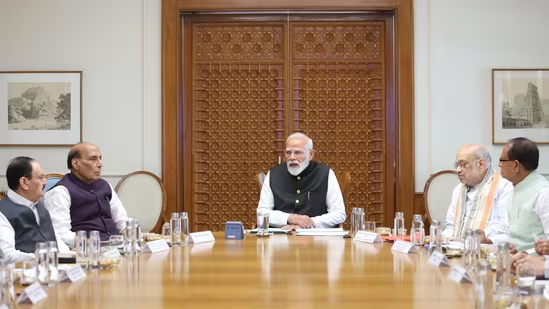
Ensuring Stability in Energy and Essential Supplies
A central focus of the meeting was to guarantee uninterrupted availability of fuel, electricity, and fertilisers across the country. These sectors form the backbone of India’s economy, directly influencing agriculture, industry, and everyday life. The government has emphasized the importance of maintaining adequate stock levels and strengthening supply chains to avoid shortages.
Officials have been tasked with ensuring that logistics networks operate smoothly even under strained global conditions. This includes efficient transportation and distribution systems that can withstand disruptions in international trade routes. The aim is not only to maintain supply but also to prevent panic and instability in domestic markets.
Global Risks and the Strategic Importance of West Asia
The crisis in West Asia has far-reaching implications, particularly due to the region’s role in global energy supply. One of the most critical concerns is the Strait of Hormuz, a key maritime route through which a significant portion of the world’s oil passes. Any disruption in this corridor could have a cascading effect on global energy prices and availability.
For India, the stakes are particularly high, as a substantial share of its crude oil imports depends on this route. Prolonged instability could lead to increased import costs, inflationary pressures, and broader economic challenges. The government is therefore maintaining a cautious and watchful stance, ready to respond to evolving scenarios.
Preparedness Through Diversification and Reserves
India’s ability to navigate this crisis is supported by years of strategic planning. The country has built significant petroleum reserves and expanded its network of energy suppliers, reducing dependence on any single region. This diversification has strengthened resilience and provided flexibility in times of uncertainty.
In addition to fuel reserves, the government has ensured adequate availability of coal and fertilisers, particularly important for power generation and agriculture. These measures reflect a broader effort to create buffers that can absorb shocks and maintain continuity in essential services.
Logistics, Coordination, and a Whole-of-Government Approach
The meeting also underscored the importance of coordination across ministries. A “whole-of-government” approach is being implemented to manage the crisis effectively, with different departments working in tandem to address challenges in real time. This integrated strategy ensures that decisions are aligned and resources are utilized efficiently.
Special attention is being given to logistics, as the movement of goods remains a critical factor in maintaining stability. By strengthening transportation networks and exploring alternative supply routes, the government aims to minimize disruptions and ensure seamless delivery of essential commodities.
Long-Term Vision: Reducing Vulnerability to Global Shocks
While immediate measures are crucial, the crisis has also highlighted the importance of long-term energy security. India’s ongoing push towards renewable energy, ethanol blending, and electric mobility is gradually reducing its reliance on imported fossil fuels. These initiatives are not only environmentally significant but also strategically vital in reducing exposure to global conflicts.
The government’s long-term vision focuses on building a self-reliant and sustainable energy ecosystem that can withstand external pressures. This transition is expected to play a key role in shaping India’s economic resilience in the years to come.
The MGMM Outlook
India’s response to the escalating tensions in West Asia highlights a calculated and forward-looking approach to safeguarding its core economic interests. The high-level review led by Narendra Modi reflects a clear recognition that energy security is deeply intertwined with national stability. By prioritizing sectors such as petroleum, power, and fertilisers, the government is not only addressing immediate risks of global supply disruptions but also reinforcing domestic confidence. The emphasis on maintaining adequate reserves, stabilizing supply chains, and ensuring seamless logistics indicates a strong intent to prevent external shocks from translating into internal uncertainty or inflationary pressure.
At the same time, the developments underline the strategic urgency of reducing dependence on volatile regions like West Asia. India’s continued push towards diversification of energy sources, along with investments in renewables and alternative fuels, signals a broader shift toward long-term resilience. Strengthening coordination across ministries and adopting a whole-of-government approach further demonstrates an understanding that energy security is not an isolated concern but a multi-dimensional challenge. This evolving strategy positions India to better withstand global disruptions while steadily moving toward a more self-reliant and sustainable energy framework.
(Sources: LiveMint, News18, Hindustan Times)

Comments