
'Unable to Digest India's Rise': BJP Takes a Jibe at Rahul Gandhi After India Ranks Third on Asia Power Index 2026

India has secured the third position in the 2026 Asia Power Index released by Australia's Lowy Institute, emerging as one of the region's most influential powers after the United States and China. With an overall score of 40.5 points, the ranking highlights India's growing diplomatic influence, military capabilities, defence partnerships and cultural presence. The achievement reflects the country's expanding role in regional and international affairs.
The development has also prompted a political response from the Bharatiya Janata Party (BJP), which criticised Congress leader Rahul Gandhi for repeatedly questioning India's economic progress. While international assessments recognise India's growing influence, the BJP has questioned the Congress leadership's reluctance to acknowledge the country's achievements.
India Strengthens Its Position Among Asia's Leading Powers
According to the Lowy Institute, the United States secured first place with 78.9 points, followed by China with 73.6 points and India with 40.5 points. The index assesses 27 countries and territories through 131 indicators covering economic capability, military strength, diplomatic influence, resilience, defence networks, cultural influence and future resources.
One significant finding is that the power gap between India and China has narrowed to its smallest level since the index was introduced in 2018. India's continued progress demonstrates its growing strategic importance and increasing influence in the Asian geopolitical landscape.
Diplomatic and Defence Capabilities Boost India's Influence
India recorded 70.3 points in diplomatic influence, reflecting its expanding international partnerships and active participation in global forums. The report also recognised Prime Minister Narendra Modi as Asia's second-most effective regional leader after Chinese President Xi Jinping.
India improved its position in defence networks, gaining two places to reach ninth rank. Its expanding defence cooperation and BrahMos missile exports to Southeast Asian countries have contributed to its growing international presence. The country also recorded 43.8 points in cultural influence and 56.2 points in future resources, highlighting its soft power and long-term potential. Although the report identified challenges in economic capability, India's overall performance demonstrates that its growing national strength extends beyond economic indicators alone.
BJP Questions Rahul Gandhi's Criticism of India's Progress
The BJP strongly responded to Rahul Gandhi's remarks about India's economic condition during his interaction at Columbia University in the United States. Gandhi raised concerns about unemployment, the education system and the difficulties faced by young Indians in finding suitable opportunities.
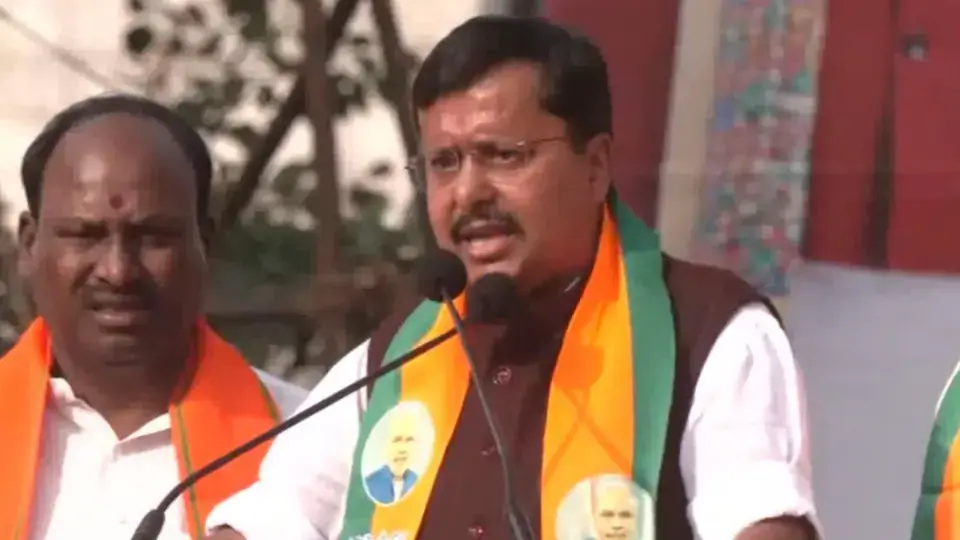
BJP leaders, including Sambit Patra and Nitin Nabin, criticised his assessment and highlighted India's growing international standing under Prime Minister Narendra Modi's leadership. They argued that the country's achievements in diplomacy, defence and strategic influence deserve recognition rather than being overshadowed by repeated criticism.
The BJP's criticism raises an important question about the Congress leadership's approach to national development. While holding the government accountable is an essential responsibility of the opposition, consistently presenting India's progress through a negative narrative overlooks significant developments recognised by international institutions.
India's Growing Role in the Changing Asian Order
The index also highlights changing geopolitical dynamics, particularly the competition between the United States and China. In this evolving environment, India's strategic partnerships, defence modernisation and diplomatic engagement provide opportunities to strengthen its influence in the Indo-Pacific.
India's emphasis on strategic autonomy and international cooperation has made it an increasingly important regional partner. Continued investment in indigenous manufacturing, technology, infrastructure and national security will be essential to sustaining this progress.
The MGMM Outlook
India securing the third position in the 2026 Asia Power Index, with 40.5 points behind the United States and China, marks a significant achievement in its growing global standing. The recognition by Australia's Lowy Institute reflects India's expanding diplomatic influence, military capabilities, defence partnerships and cultural presence. With 70.3 points in diplomatic influence and improvements in defence networks, India is increasingly establishing itself as an influential power in the Asian geopolitical landscape. These achievements highlight the country's progress under Prime Minister Narendra Modi's leadership and its growing importance in shaping the Indo-Pacific region. India's rise also demonstrates that national strength is built through sustained efforts in diplomacy, defence modernisation and international cooperation.
However, Rahul Gandhi and the Congress leadership need to distinguish between constructive criticism and repeatedly projecting India's progress through a negative narrative, particularly on international platforms. Raising concerns about unemployment, education and economic challenges is part of democratic debate, but overlooking India's growing diplomatic, military and strategic influence reflects an incomplete assessment of the country's development. Rather than dismissing achievements acknowledged by international institutions, the opposition should contribute meaningful suggestions and policies that strengthen India's position. Recognising national progress should go beyond political differences, as India's growing global influence is an achievement of national importance that deserves to be acknowledged by every political party.
(Sources: Hindustan Times, ANI News)


Comments