
India’s Energy Resilience Holds Firm Amid Global Turmoil
- MGMMTeam

- Mar 31
- 3 min read
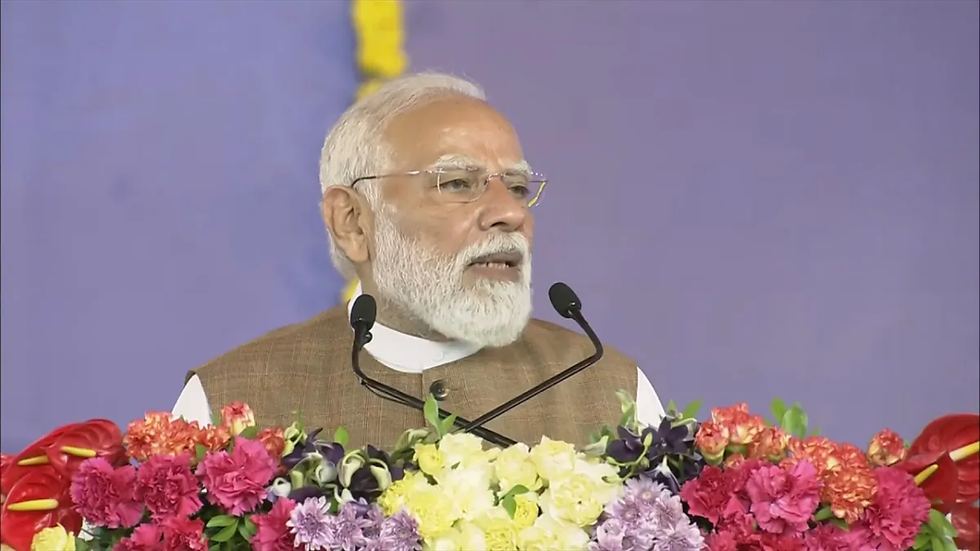
Amid escalating geopolitical tensions in West Asia, Prime Minister Narendra Modi has reassured the nation that India’s energy situation remains stable and well-managed. As global markets react to disruptions in critical oil supply routes such as the Strait of Hormuz, concerns over fuel shortages and price volatility have intensified worldwide. However, India has managed to avoid severe impacts, owing to a combination of foresight, strategic planning, and swift policy responses.
The government’s proactive approach has ensured that essential fuels—including petrol, diesel, and cooking gas—remain accessible to citizens without major disruptions. While the international energy landscape continues to face uncertainty, India’s internal stability highlights the strength of its preparedness and crisis management mechanisms.
Diversification as a Strategic Shield
A cornerstone of India’s energy security has been its deliberate move to diversify crude oil import sources. Over the years, the country has expanded its supplier base significantly, reducing reliance on traditional regions prone to geopolitical instability. This shift has allowed India to maintain a steady inflow of energy resources even as conflicts threaten established supply chains.
Recent efforts have further accelerated imports from regions such as Africa and other emerging suppliers, ensuring flexibility in procurement. This diversified approach not only reduces risk but also strengthens India’s negotiating power in global energy markets. It reflects a long-term vision aimed at insulating the economy from sudden external shocks.
Strengthening Reserves and Supply Mechanisms
India’s robust reserve management has played a critical role in maintaining supply continuity. Strategic petroleum reserves, along with enhanced storage and refining capabilities, provide a crucial buffer against short-term disruptions. These reserves ensure that even in the event of supply chain interruptions, domestic demand can be met without immediate strain.
In parallel, the government has established high-level monitoring systems and inter-agency coordination groups to track developments in real time. This enables swift decision-making and rapid response to evolving challenges. By maintaining tight oversight, authorities have been able to prevent panic and ensure price stability across the market.
Advancing Domestic Production and Clean Energy
Beyond managing immediate challenges, India is actively working to reduce long-term dependence on imported fossil fuels. Increased domestic production of energy resources, coupled with a strong push towards renewable energy, is gradually transforming the country’s energy landscape. Initiatives such as ethanol blending, solar expansion, and electric mobility are gaining momentum, contributing to both energy security and environmental sustainability.
The government’s focus on alternative energy sources is not merely a response to current disruptions but part of a broader strategy to build a self-reliant and future-ready energy ecosystem. This transition is expected to play a pivotal role in shielding India from similar crises in the years ahead.
India’s Growing Role in Global Energy Dynamics
Interestingly, even as global markets grapple with uncertainty, India is emerging as a stabilising force in certain sectors. Increased refining capacity and export capabilities have enabled the country to supply key fuels to regions facing shortages. This evolving role underscores India’s rising influence in the global energy landscape.
At the same time, policymakers remain vigilant about potential economic challenges, including inflationary pressures and rising import costs. Continuous monitoring and adaptive strategies are being employed to balance domestic stability with global market realities.
The MGMM Outlook
India’s ability to maintain energy stability during global disruptions reflects a well-coordinated blend of preparedness and strategic foresight under the leadership of Narendra Modi. Despite rising tensions in West Asia and uncertainties around key supply routes, the country has ensured uninterrupted access to essential fuels through effective monitoring, diversified sourcing, and strong reserve management. This steady handling of a volatile global situation highlights a governance approach focused on minimizing external shocks while maintaining domestic confidence and supply continuity.
At the same time, the emphasis on diversification of imports and the push toward domestic production and renewable energy signals a deeper structural shift in India’s energy strategy. Expanding supplier networks, strengthening refining capabilities, and accelerating clean energy initiatives are not just immediate responses but part of a long-term vision to reduce dependency and enhance resilience. India’s growing role in global energy dynamics, combined with its internal reforms, positions it as both a stable consumer and an emerging contributor in an increasingly uncertain energy landscape.
(Sources: India TV News, Economic Times, Times of India)


Comments