
India’s ₹1 Lakh Crore Transport Aircraft Deal: A Major Boost to IAF Modernisation and Defence Manufacturing

India has taken a major step towards modernising the Indian Air Force’s transport fleet by issuing a tender for 60 Medium Transport Aircraft (MTA) in a programme estimated at nearly ₹1 lakh crore, or around $10 billion. The acquisition is intended to strengthen the IAF’s airlift capabilities and gradually replace its ageing Soviet-origin An-32 fleet, which has been a key part of India’s military logistics for decades.
The programme is significant not only because of its scale but also because of the industrial opportunity it creates for India. The procurement is being structured around domestic manufacturing and technology transfer, ensuring that the project can contribute to the expansion of India's aerospace manufacturing ecosystem alongside meeting the operational requirements of the armed forces.
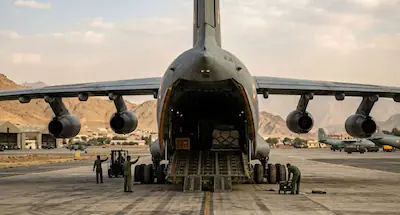
Replacing an Ageing Workhorse
The An-32 has served the IAF since the 1980s and has played an important role in transporting troops, equipment and supplies, including to strategically important and difficult-to-reach areas. With the fleet ageing, maintaining availability and sustaining the aircraft over the coming decades has become increasingly challenging.
The MTA programme is therefore aimed at giving the IAF a modern medium-lift platform capable of performing tactical airlift missions while improving reliability, range and operational flexibility. The new aircraft are expected to complement India's existing fleet of heavier and lighter transport platforms and provide an important capability between different classes of military airlifters.
The urgency surrounding fleet modernisation has also increased following the crash of an An-32 in July 2026 that killed five personnel. The incident renewed attention on the need to transition towards newer transport aircraft.
A Competition Among Leading Global Aircraft Manufacturers
The programme has attracted some of the world's leading military transport aircraft manufacturers. The competition has included Lockheed Martin's C-130J Super Hercules, Embraer's C-390 Millennium and Airbus's A400M Atlas. Technical evaluations of proposals from foreign vendors have already been completed, bringing the programme closer to the commercial bidding and subsequent selection stages.
Each aircraft offers different capabilities. The C-130J is already operated by the IAF and has established itself as a versatile tactical transport platform. Embraer's C-390 is a newer jet-powered aircraft designed for a range of cargo and troop-transport missions. Airbus's A400M offers substantially greater payload capacity and could provide capabilities closer to the heavier end of India's transport requirements.
The final selection is therefore likely to depend on more than aircraft specifications. Cost, lifecycle support, technology transfer, indigenous production, maintenance infrastructure and the ability to meet India's operational requirements will all be important considerations.
From Importing Aircraft to Building Them in India
Perhaps the most important feature of the programme is its emphasis on manufacturing in India. The procurement framework envisages aircraft being produced domestically in partnership with Indian industry, rather than relying entirely on imported platforms.
This approach fits into India's broader effort to develop a stronger and more self-reliant defence manufacturing ecosystem. Large procurement programmes increasingly offer an opportunity to bring advanced technologies, engineering expertise and global supply chains into the country while creating capabilities that can support future aerospace programmes.
The MTA project could consequently have an impact well beyond the Indian Air Force. Manufacturing, component production, avionics, maintenance, repair and overhaul, engineering services and training could all benefit as Indian companies become more deeply integrated into the programme.
Indian Industry Positioned for a Bigger Role
Indian companies are expected to play a significant role in the competition. Tata, Mahindra and Hindustan Aeronautics Limited are among the major Indian aerospace and defence companies associated with the programme and potential industrial partnerships. This is particularly important because India has already demonstrated that complex military aircraft can be manufactured domestically through international collaboration.
The Airbus-Tata C295 programme is a prominent example. India ordered 56 C295 aircraft, with 16 being delivered from Spain and the remaining 40 being manufactured and assembled in India. Airbus says the Vadodara facility will progressively deliver all 40 Indian-built aircraft to the IAF by August 2031.
The C295 programme has also created a wider supplier network. According to Airbus, the Indian programme involves more than 85% structural and final assembly work for the 40 aircraft in India, alongside production of around 13,000 detail parts and participation by 37 Indian suppliers. The first C295 manufactured in India is scheduled to roll out in September 2026. The MTA programme could build upon this experience and take India's military aerospace manufacturing ambitions to another level.
Strengthening Strategic Mobility
For a country as geographically diverse as India, military transport aircraft are a critical component of national defence. The IAF needs to move personnel, ammunition, vehicles, equipment and essential supplies rapidly across long distances and into challenging operational environments.
This capability becomes particularly important when supporting troops stationed in remote and high-altitude areas. Roads and other ground-based transportation networks continue to expand, but aircraft provide a speed and flexibility that cannot be matched by conventional logistics.
A modern medium transport fleet would allow the IAF to respond more quickly during military contingencies while also supporting humanitarian assistance, disaster relief, evacuation and other missions during peacetime.
Part of a Broader Defence Modernisation Drive
The transport aircraft programme is also part of a much wider effort to strengthen India's defence capabilities. In March 2026, the Defence Acquisition Council cleared proposals worth approximately ₹2.38 lakh crore, with the 60 medium transport aircraft forming one of the major components of the package. The approvals also covered additional S-400 air-defence systems, remotely piloted strike aircraft and other military requirements.
The broader pattern indicates an effort to modernise multiple layers of India's defence architecture simultaneously. While fighter aircraft and missile systems often attract greater public attention, transport aircraft are equally important because they provide the logistical foundation required to sustain military operations.
Creating Long-Term Aerospace Capabilities
The real significance of the MTA programme could ultimately extend beyond the 60 aircraft themselves. A successful domestic manufacturing arrangement could help India develop expertise in aircraft assembly, aerostructures, systems integration, maintenance and component production.
Such capabilities can become valuable assets for future indigenous aircraft programmes as well as international aerospace partnerships. India's expanding private-sector defence industry can also benefit from the development of specialised suppliers and skilled manpower.
The experience gained through programmes such as the C295 demonstrates how an aircraft acquisition can gradually develop into a much broader industrial ecosystem. The MTA programme offers another opportunity to deepen that process and strengthen India's position in the global aerospace supply chain.
A Strategic Opportunity for India
The ₹1 lakh crore transport aircraft programme represents a significant investment in the future of India's military mobility. By replacing ageing aircraft with modern platforms and simultaneously encouraging domestic manufacturing, India can address an immediate operational requirement while creating long-term industrial capabilities.
The competition between the C-130J, C-390 and A400M will ultimately be decided through India's detailed operational, technical and commercial evaluation. The winning aircraft will have to meet the IAF's requirements while supporting India's broader objectives for local production, technology absorption and long-term sustainment.
The MGMM Outlook
India’s proposed acquisition of 60 Medium Transport Aircraft marks an important step in modernising the Indian Air Force’s transport capabilities while giving a major push to domestic aerospace manufacturing. The nearly ₹1 lakh crore programme is aimed at gradually replacing the ageing An-32 fleet and providing the IAF with a more modern, reliable and flexible airlift capability. With the aircraft expected to support troop movement, logistics and operations in difficult and remote areas, the programme will strengthen India’s ability to respond quickly to emerging security and humanitarian requirements.
What makes the programme particularly significant is its potential to move India further from being primarily an importer of defence platforms towards becoming a manufacturer and participant in global aerospace supply chains. The emphasis on domestic production, technology transfer and Indian industrial participation could create opportunities across aircraft assembly, components, maintenance, engineering and specialised manufacturing. Building on the experience of the Airbus-Tata C295 programme, the MTA project could help deepen the capabilities of Indian companies and create a stronger foundation for future indigenous aerospace programmes. Beyond adding 60 aircraft to the IAF, the initiative therefore represents an opportunity to combine military modernisation with long-term industrial growth, technological advancement and greater self-reliance in defence.
(Sources: The Hindu BusinessLine, NDTV, The Times of India)


Comments