
India-China Relations See Fresh Diplomatic Push as Foreign Secretary Vikram Misri Holds Key Talks in Beijing

India and China have taken another step towards strengthening diplomatic communication as Foreign Secretary Vikram Misri held a series of high-level meetings in Beijing, focusing on improving bilateral engagement, maintaining border stability, and exploring areas of cooperation. The visit reflects ongoing efforts by both nations to rebuild channels of dialogue and create a more stable framework for managing differences.
The discussions come after several years of challenges in India-China relations, particularly following the 2020 border tensions. While differences continue to exist, both countries have gradually increased diplomatic interactions, recognising the importance of maintaining peace and stability between two major Asian economies.
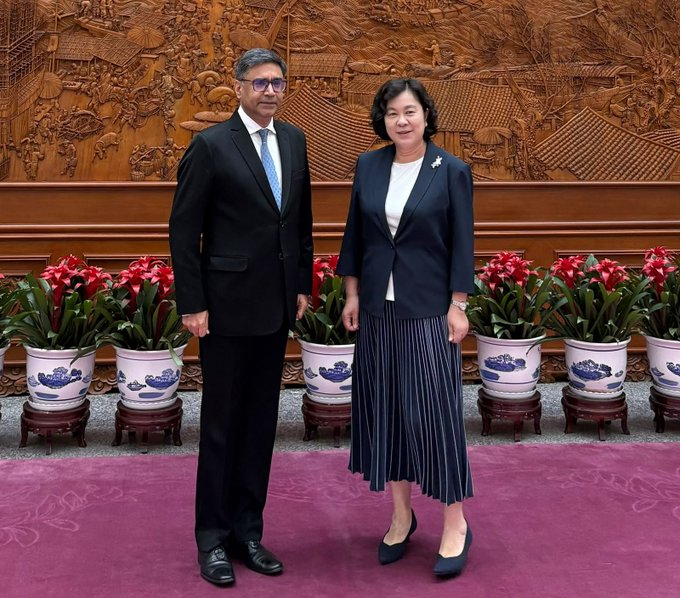
During his visit, Misri met Li Wentang, Vice President of the Central Party School of the Communist Party of China (CPC), where both sides discussed strengthening institutional exchanges and expanding understanding between the two countries. The meeting highlighted the role of diplomatic and academic interactions in maintaining communication even during periods of disagreement.
Focus on Border Peace and Restoring Trust
One of the central themes of the discussions was the importance of maintaining peace and tranquillity along the Line of Actual Control (LAC). India has consistently maintained that normal relations with China depend on ensuring stability and security along the border areas.
The Foreign Secretary’s meetings with Chinese officials focused on reviewing the overall state of bilateral relations, including border management, political dialogue, economic cooperation, and people-to-people exchanges. Both sides acknowledged that regular communication between officials is essential to prevent misunderstandings and address concerns through diplomatic channels.
The latest engagement reflects a cautious but steady approach towards rebuilding trust. While border-related issues remain complex, continued dialogue between the two countries is being seen as an important mechanism to manage differences and work towards long-term stability.
Strengthening Diplomatic Channels Through Regular Dialogue
Apart from his meeting with Li Wentang, Vikram Misri also held discussions with senior Chinese officials, including Vice Foreign Minister Hua Chunying and other representatives of China's diplomatic and political institutions. These meetings covered various aspects of India-China relations and explored possibilities for improving cooperation.
Foreign Secretary Misri’s experience in handling China-related affairs has added significance to the discussions. Having previously served as India’s Ambassador to China, he brings deep understanding of bilateral issues and established diplomatic channels, which can help facilitate constructive conversations between the two sides.
The continued exchange of senior-level visits demonstrates the importance both countries place on keeping diplomatic channels active. Regular engagement provides an opportunity to address differences while identifying areas where cooperation can continue.
Economic Cooperation and Trade Balance Remain Key Areas of Discussion
Economic relations remain an important part of the India-China relationship. Both countries share significant trade ties, but India has highlighted the need for greater balance, improved market access, and fair opportunities for Indian businesses.
During recent diplomatic interactions, India has emphasised the importance of addressing trade-related concerns and creating a more sustainable economic partnership. With China being a major global manufacturing hub and India emerging as a growing economic power, both nations have opportunities to expand cooperation in areas such as technology, manufacturing, supply chains, and regional connectivity.
A stable economic relationship requires addressing existing challenges while encouraging greater participation from businesses on both sides. Continued dialogue on trade and economic issues remains an important part of the broader diplomatic engagement.
Gradual Revival of People-to-People Exchanges
Along with official-level discussions, India and China have also taken steps towards restoring people-to-people connections. Efforts to resume activities such as the Kailash Mansarovar Yatra, improve visa facilitation, and restart direct connectivity indicate a gradual move towards normalisation.
Such measures play an important role in rebuilding confidence between citizens of both countries. Cultural exchanges, tourism, educational cooperation, and business interactions have historically contributed to strengthening India-China relations.
The revival of these links suggests that both nations are looking beyond immediate challenges and exploring ways to rebuild broader engagement.
A Pragmatic Approach Towards Future Relations
India’s engagement with China continues to follow a balanced approach — maintaining dialogue while safeguarding national interests. The focus remains on ensuring border peace, expanding mutually beneficial cooperation, and addressing outstanding concerns through diplomatic discussions.
For China, stable relations with India are also significant given the growing importance of Asia in global affairs. Both countries have a shared interest in maintaining regional stability and encouraging economic growth.
The latest visit by Foreign Secretary Vikram Misri indicates that diplomacy remains a key tool in managing one of the most important bilateral relationships in the world. While several challenges remain, continued communication provides a pathway for addressing differences and strengthening cooperation.
The MGMM Outlook
India and China have resumed high-level diplomatic engagement with Foreign Secretary Vikram Misri’s visit to Beijing, signalling efforts to maintain communication and manage differences between the two Asian powers. The discussions focused on key issues, including border stability, political dialogue, economic cooperation, and restoring trust after years of tensions following the 2020 border standoff. While challenges along the Line of Actual Control (LAC) remain, continued diplomatic exchanges reflect the importance of keeping channels open to prevent misunderstandings and promote stability.
The talks also highlight India’s balanced approach of engaging with China while firmly protecting its national interests. Areas such as trade balance, market access, technology, manufacturing, and people-to-people exchanges remain crucial for building a more stable relationship. The revival of initiatives like the Kailash Mansarovar Yatra and improved connectivity shows gradual progress towards normalising ties. Sustained dialogue between the two countries will play a significant role in shaping a peaceful and constructive future for bilateral relations and regional stability.
(Sources: India Today, NDTV, News On AIR)


Comments