
India and UK Strengthen Economic Partnership as Landmark Trade and Social Security Agreements Take Effect

A new chapter in India-United Kingdom relations began today with the formal implementation of the Comprehensive Economic and Trade Agreement (CETA) and the Agreement on Social Security. Prime Minister Narendra Modi described the development as a “significant moment” that translates high-level diplomatic ambitions into practical benefits for citizens of both nations.
In his message on X, PM Modi highlighted how the agreements would deepen economic ties and create meaningful opportunities, particularly for farmers, entrepreneurs, MSMEs, and skilled professionals. He noted that the pacts reflect the strong trust between the two democracies and their shared commitment to progress driven by trade, technology, investment, and innovation.
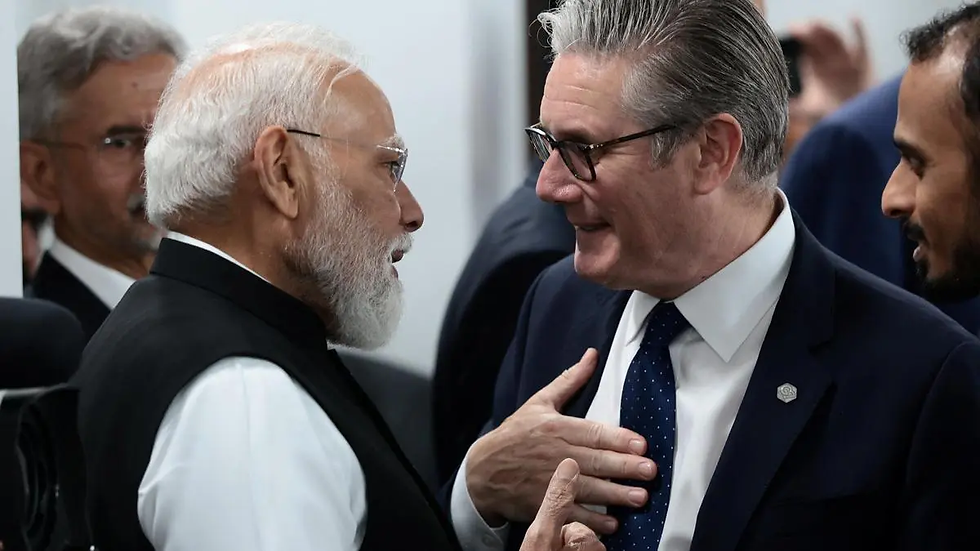
Historic Milestone in Bilateral Relations
The India-UK Comprehensive Economic and Trade Agreement (CETA), signed in July 2025 after extensive negotiations, alongside the Social Security Agreement (Double Contributions Convention), officially entered into force today. This marks one of the most significant bilateral trade pacts for India in recent years and builds upon earlier frameworks such as the Enhanced Trade Partnership and the Roadmap 2030, which aim to substantially expand economic cooperation.
PM Modi termed the occasion a “historic milestone,” expressing delight that the agreements would significantly boost bilateral trade and investment while unlocking opportunities across key sectors and contributing to India’s long-term development goals.
Boost for Trade and Market Access
The CETA provides zero-duty access for nearly 99 percent of India’s exports to the UK, covering almost the entire value of current bilateral trade. This elimination of tariffs opens substantial new avenues for Indian exporters in labour-intensive and high-potential sectors.
Indian goods in areas such as textiles, clothing, leather, footwear, gems and jewellery, engineering products, marine items, chemicals, electronics, and processed foods now benefit from greatly improved market access. The agreement also extends advantages to the agricultural sector, granting duty-free entry for most products while carefully protecting sensitive domestic interests.
These provisions are expected to give fresh momentum to Indian MSMEs, manufacturers, and farmers by allowing them to compete more effectively in the UK market. In parallel, the deal includes commitments on services, enhancing cooperation in IT, professional services, education, and innovation.
Relief for Professionals and Enhanced Mobility
Complementing the trade pact, the Social Security Agreement offers practical support for workers moving between the two countries. It exempts Indian professionals on temporary assignments in the UK — along with their employers — from making dual social security contributions for up to five years.
This measure is projected to benefit more than 75,000 Indian professionals and over 900 companies, particularly in sectors like information technology, finance, healthcare, and consultancy. The agreement also introduces dedicated annual mobility quotas for Indian chefs, yoga instructors, and classical musicians, alongside smoother pathways for business visitors and skilled talent.
By reducing employment costs and providing greater certainty, the pact strengthens the global competitiveness of Indian enterprises and supports the mobility of talent that is vital for modern economic partnerships.
Economic Impact and Long-Term Prospects
Experts anticipate that the agreements will drive significant growth in bilateral commerce. Projections indicate an increase in annual trade by approximately £25.5 billion in the long term, along with positive contributions to GDP in both countries. The deal is also expected to support job creation, strengthen supply chains, and foster innovation-driven collaboration.
Union Minister of Commerce and Industry Piyush Goyal welcomed the implementation, underscoring the opportunities it creates for diverse sectors and expressing gratitude to the negotiating teams on both sides for their dedicated efforts.
The MGMM Outlook
The implementation of the India–UK Comprehensive Economic and Trade Agreement (CETA) and the Social Security Agreement marks a significant advancement in India's global economic engagement. By securing duty-free access for nearly all Indian exports to the UK and easing social security obligations for thousands of Indian professionals, the agreements are expected to strengthen India's export competitiveness, support MSMEs, create new opportunities for farmers, and enhance the global reach of Indian businesses. The inclusion of improved market access and talent mobility reflects India's growing influence as a trusted economic partner.
The agreements also demonstrate India's focus on building long-term, mutually beneficial international partnerships that go beyond conventional trade. With stronger collaboration in technology, innovation, services, and investment, the India–UK partnership is positioned to contribute to sustainable economic growth and job creation. As these agreements begin to deliver tangible benefits across multiple sectors, they reinforce India's vision of expanding its global economic footprint while creating greater opportunities for its citizens and industries.
(Sources: Hindustan Times, Financial Express, The Hindu BusinessLine)


Comments