
Why a Veteran Leader Like Bhupen Kumar Borah Left Congress After 32 Years and Joined BJP
- MGMMTeam

- Feb 25
- 3 min read
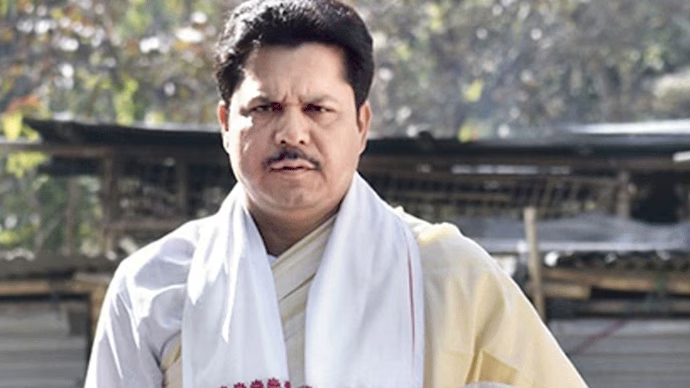
Politics in Assam witnessed a major turning point when senior leader Bhupen Kumar Borah ended his three-decade-long association with the Indian National Congress and joined the Bharatiya Janata Party in February 2026. His decision came just weeks before the state assembly elections, making the move politically significant as well as emotionally surprising for many supporters who had seen him grow within the Congress system over the years.
Borah was not an ordinary party worker. He had served as the President of the Assam Pradesh Congress Committee and was considered one of the most experienced faces of the party in the state. Because of this long history, his exit raised an important question: what makes a loyal leader walk away from a party after 32 years?
The Feeling of Being Ignored Within the Party
One of the central reasons Borah spoke about was a growing sense of neglect. According to him, he had repeatedly tried to raise concerns about the functioning of the party in Assam, but his views were not taken seriously by the leadership. Over time, he began to feel that his experience and contribution were not valued the way they once were.
For leaders who spend decades building an organization, respect and consultation matter deeply. Borah suggested that when those expectations are not met, dissatisfaction naturally grows. His resignation, he initially said, was meant to be a wake-up call for the party leadership to introspect and address internal issues.
Internal Conflicts and Leadership Tensions
Another factor that contributed to his decision was internal conflict within the state unit of Congress. Borah indirectly referred to tensions involving senior leaders, including disagreements with Gaurav Gogoi. He claimed that certain incidents left him feeling humiliated and sidelined, which affected his confidence in continuing within the party structure.
Political organizations often experience internal competition, but when conflicts become personal or public, they can weaken trust. Borah indicated that such circumstances created an uncomfortable environment for him, especially after years of service in leadership roles.
Concerns About Election Preparedness and Direction
Borah also questioned the party’s readiness for the upcoming elections in Assam. He suggested that Congress lacked clarity in strategy and was not fully prepared for the political battle ahead. According to his statements, internal politics seemed to be taking priority over public outreach and organizational strengthening.
These concerns were important because they reflected not only personal frustration but also his perception of the party’s future prospects in the state. When a senior leader begins to doubt the direction of his own organization, it often becomes difficult to remain committed.
From Resignation to Joining BJP
After resigning from Congress on 16 February 2026, Borah joined the BJP on 22 February in Guwahati in the presence of senior leaders, including Assam Chief Minister Himanta Biswa Sarma. The BJP welcomed him warmly and quickly included him in its state leadership structure, signaling that his experience would be valued in his new political home.
For Borah, the move represented not just a change of party but a new phase of his political career. For the BJP, it strengthened its position by bringing in an experienced leader who understood the opposition’s structure and voter base.
What His Exit Reveals About Party Politics
Borah’s departure highlights a broader reality of political life: loyalty in politics is often connected to respect, influence, and opportunity. When leaders feel they can no longer contribute effectively within their party, they begin looking elsewhere. His case also shows how internal disagreements and leadership struggles can shape political careers, especially during election periods.
At the same time, his move created debate about Congress’s internal health in Assam and whether more leaders might reconsider their positions in the future.
The MGMM Outlook
The decision of Bhupen Kumar Borah to leave the Indian National Congress after more than three decades and join the Bharatiya Janata Party reflects deeper structural challenges within the opposition space in Assam. When experienced leaders begin to feel unheard and sidelined despite years of contribution, it signals an organizational disconnect between ground realities and leadership priorities. His concerns about internal conflicts, lack of strategic clarity, and insufficient preparation for elections suggest that long-term political sustainability depends not only on legacy but also on internal cohesion and respect for regional leadership voices.
At the same time, his induction into the BJP in the presence of Himanta Biswa Sarma indicates the party’s continued strategy of strengthening its base by welcoming leaders with administrative experience and grassroots understanding. The tensions he hinted at, including disagreements with figures such as Gaurav Gogoi, underline how leadership friction can reshape political trajectories, especially before crucial elections. Such shifts demonstrate how political alignment today is increasingly influenced by perceived effectiveness, organizational respect, and the ability to remain relevant in a rapidly evolving electoral landscape.
(Sources: Economic Times, NDTV, India Today, Hindustan Times)


Comments