
PM Modi Announces High-Level Task Force Led by Nandan Nilekani to Overhaul India's Examination System

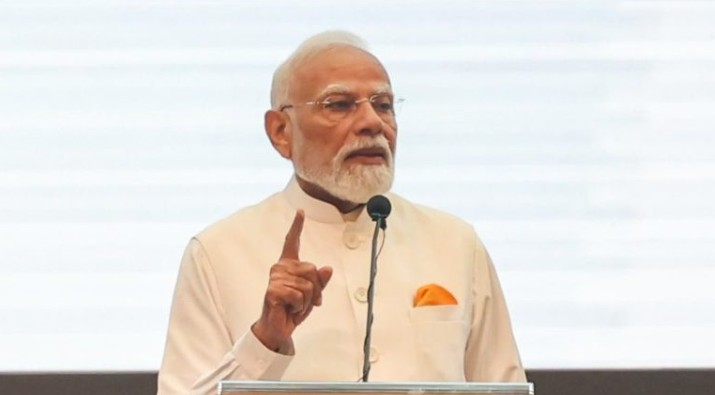
In a major step towards strengthening the integrity and credibility of India's public examination system, Prime Minister Narendra Modi has announced the formation of a high-level task force to recommend comprehensive reforms in the conduct of competitive and public examinations. The committee, headed by Infosys co-founder and Aadhaar architect Nandan Nilekani, has been tasked with designing a modern, secure, and technology-driven examination framework capable of addressing existing challenges while preparing the system for future demands.
The announcement reflects the government's broader commitment to improving transparency, efficiency, and accountability in examinations that determine admissions and recruitment for millions of students and job aspirants every year. By bringing together experts from technology, education, administration, and scientific research, the Centre aims to build a robust examination ecosystem that inspires confidence among students and institutions alike.
Nandan Nilekani to Head Six-Member Expert Panel
The newly constituted six-member task force will be chaired by Nandan Nilekani, whose contribution to India's digital public infrastructure through Aadhaar has made him one of the country's leading experts in large-scale technology implementation. The panel also includes former ISRO Chairman Dr. S. Somanath and several distinguished professionals from the fields of cybersecurity, governance, education, and public administration.
The committee has been entrusted with examining every stage of the examination process—from candidate registration and question paper preparation to examination delivery, evaluation, declaration of results, and grievance redressal. It will study existing practices, identify vulnerabilities, and recommend reforms that can make examinations more secure, transparent, and efficient.
According to the Prime Minister's Office, the task force will submit recommendations aimed at creating a resilient examination framework that combines administrative reforms with advanced digital technologies.
Technology at the Core of Future Examination Reforms
One of the principal objectives of the committee is to explore how emerging technologies can significantly enhance the integrity of public examinations. The panel is expected to recommend the adoption of advanced cybersecurity measures, artificial intelligence-based monitoring systems, encrypted digital transmission of question papers, biometric verification of candidates, and real-time surveillance mechanisms to minimise opportunities for malpractice.
The government also expects the committee to examine ways of strengthening the National Testing Agency (NTA), which conducts several of the country's largest entrance examinations. Recommendations may include institutional reforms, stronger digital infrastructure, improved operational protocols, and better risk management practices to ensure examinations are conducted without disruption.
Experts believe that India's rapidly expanding digital capabilities provide an opportunity to modernise examination processes while ensuring that technology remains accessible, reliable, and secure for candidates across urban and rural regions alike.
Building Upon Existing Educational Reforms
The formation of the task force is part of the government's continuing efforts to modernise India's education and assessment systems. Over the past few years, several initiatives have been introduced to improve examination management, including expanding computer-based testing, strengthening candidate authentication procedures, increasing the use of digital platforms, and enhancing security at examination centres.
The National Education Policy (NEP) 2020 also emphasises transforming India's assessment framework by encouraging competency-based evaluation rather than rote learning. The recommendations of the Nilekani-led committee are expected to complement these broader educational reforms by ensuring that examination systems remain fair, transparent, and technologically equipped to meet evolving academic needs.
Strengthening the Legal Framework Against Examination Fraud
Alongside administrative reforms, the government is also considering amendments to the Public Examinations (Prevention of Unfair Means) Act to further strengthen legal safeguards against examination-related offences.
According to reports, the proposed amendments seek to impose stricter punishments for individuals and organisations involved in paper leaks, impersonation, organised cheating, and other forms of examination fraud. The changes are expected to include longer prison terms, higher financial penalties, and enhanced powers for investigative agencies to prosecute offenders more effectively.
These legal reforms are intended to complement technological improvements by ensuring that both preventive and punitive measures work together to safeguard the integrity of public examinations.
Committee's Recommendations May Shape the Future of National Examinations
The recommendations of the task force are expected to have far-reaching implications for India's examination landscape. Apart from improving security and transparency, the committee will likely examine the feasibility of expanding computer-based examinations, improving digital accessibility, and creating standardised operating procedures for examination authorities across the country.
The Supreme Court has also indicated that the committee's findings could play an important role in future decisions concerning the conduct of major national examinations, including discussions on whether examinations such as NEET should gradually transition to a more technology-enabled format.
Education experts believe that any long-term reform must balance technological innovation with inclusivity, ensuring that students from every region and socio-economic background receive equal opportunities to compete.
A Step Towards Restoring Public Confidence
India conducts thousands of public examinations annually, involving millions of students aspiring for higher education and government employment. Given the scale of these examinations, maintaining their credibility is essential for ensuring fairness and merit-based selection.
The establishment of the Nilekani-led task force signals a comprehensive approach that seeks to combine technological innovation, institutional accountability, and stronger legal safeguards. By addressing both systemic and operational challenges, the government aims to build an examination system capable of meeting international standards while protecting the interests of students.
The MGMM Outlook
The decision to establish a high-level task force under Nandan Nilekani reflects a forward-looking approach to strengthening India's public examination system through technology, institutional reforms, and greater accountability. By bringing together experts from technology, education, governance, and scientific research, the initiative seeks to address long-standing challenges such as examination security, operational efficiency, and transparency while preparing the system for the evolving needs of millions of students and job aspirants.
The proposed integration of advanced digital solutions alongside stronger legal safeguards demonstrates a comprehensive strategy to protect the integrity of competitive examinations. If implemented effectively, the committee's recommendations could help build a more reliable, secure, and merit-based examination framework that enhances public confidence and supports India's broader vision of modernising its education ecosystem.
(Sources: India Today, NDTV, News On AIR)


Comments