
India Steps Up Peace Efforts, Engages Russia and Ukraine to End War

India is taking a more active diplomatic role in efforts to bring the Russia-Ukraine conflict to an end, with External Affairs Minister S. Jaishankar confirming that New Delhi is now holding conversations with both Moscow and Kyiv. The development marks a shift from India's earlier emphasis on advocating dialogue and diplomacy towards more direct engagement on practical issues that could help create conditions for peace.
Speaking at the Munich Leaders’ Meeting in New Delhi, Jaishankar said India had “gone beyond advocacy” in recent months and was trying to be helpful in resolving the conflict. He said India's discussions with both sides currently focus on the safety of shipping in the Black Sea, grain and energy exports, as well as possible arrangements to prevent attacks.
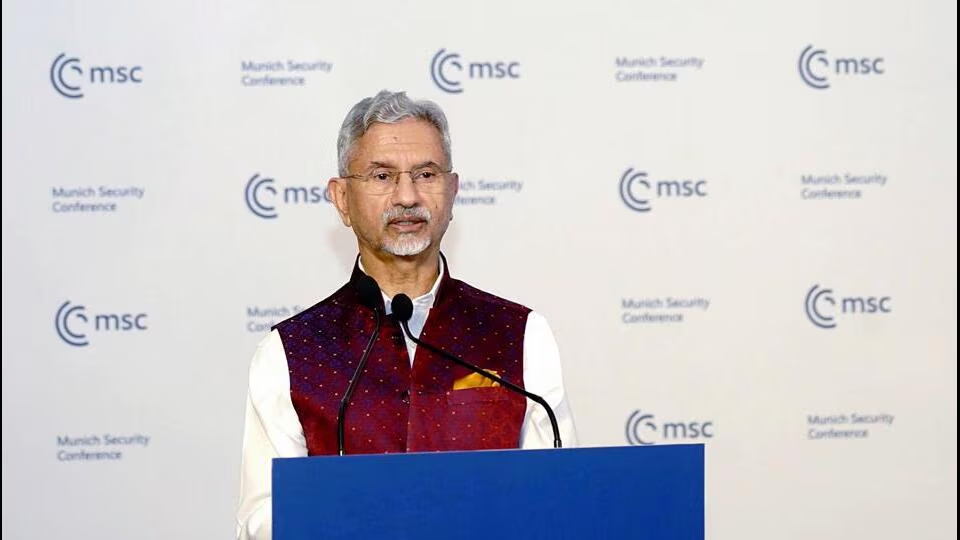
India Focuses on Practical Steps for Peace
India's approach is centred on addressing immediate concerns that affect both the countries involved as well as the wider international community. The Black Sea remains an important route for the movement of agricultural commodities and energy supplies, making the safety of commercial shipping a significant issue.
Jaishankar has indicated that India's conversations began with concerns over shipping safety and subsequently expanded to grain and energy exports. India has also raised concerns over attacks on civilian shipping, reflecting the importance New Delhi places on protecting seafarers and maintaining uninterrupted international trade.
The importance of the Black Sea has grown further as attacks and disruptions have affected Ukrainian ports and agricultural exports. Ensuring safer maritime routes could therefore have consequences well beyond the immediate conflict by supporting food and energy supply chains.
Ukraine Acknowledges India's Proposal
India's growing involvement has also received recognition from Kyiv. Ukrainian Foreign Minister Andrii Sybiha recently said Ukraine had received ceasefire proposals from India, Turkey, Egypt and the United States, describing India's proposal as the most comprehensive among those presented.
The proposals have reportedly focused on practical areas including energy infrastructure and Black Sea shipping. Kyiv has indicated an interest in arrangements that could reduce attacks on critical infrastructure and create safer conditions for maritime activity.
Ukraine's recognition of India's initiative is significant because New Delhi maintains established relations with Moscow while also maintaining an expanding diplomatic relationship with Kyiv. This gives India communication channels with both sides at a time when finding common ground remains difficult.
Modiji's Consistent Emphasis on Dialogue
India's latest efforts build on a diplomatic position that has been consistently articulated since the beginning of the conflict. Prime Minister Narendra Modi has repeatedly maintained that wars cannot provide a lasting solution and that dialogue and diplomacy are essential to resolving differences.
Modiji has continued to engage with Russian President Vladimir Putin while also maintaining communication with Ukrainian President Volodymyr Zelenskyy. Jaishankar's visit to Ukraine in September further demonstrated India's willingness to remain engaged with Kyiv. During that visit, Zelenskyy acknowledged India's commitment to efforts aimed at ending the conflict and establishing a reliable peace.
Putin has also publicly referred to Modiji's efforts, saying the Indian Prime Minister has ideas aimed at finding mutually acceptable solutions to the conflict. This continued engagement with both sides has strengthened India's ability to communicate its position while keeping diplomatic channels open.
India's Diplomatic Space Is Expanding
India's role comes at a time when the international community is searching for workable avenues to reduce hostilities. The conflict has continued to affect energy markets, food supplies, maritime trade and global economic stability, making diplomatic initiatives increasingly important.
Recent developments also show that discussions around the conflict are not limited to battlefield issues. Questions surrounding energy infrastructure, grain exports and maritime security could provide possible starting points for limited agreements even while more complicated political and territorial questions remain unresolved.
India's ability to maintain relationships with different major powers allows New Delhi to approach the issue without becoming part of the military confrontation. Its emphasis remains on dialogue, diplomacy and practical measures that can reduce tensions and create space for broader negotiations.
The MGMM Outlook
India’s growing engagement with both Russia and Ukraine reflects a more active diplomatic effort to help create conditions for peace. External Affairs Minister S. Jaishankar has indicated that New Delhi is no longer limiting itself to advocating dialogue but is holding practical discussions on issues such as the safety of Black Sea shipping, grain and energy exports, and arrangements to prevent attacks. By maintaining communication with both sides, India is using its established diplomatic relationships to encourage measures that can reduce tensions and protect wider global trade and supply chains.
This approach builds on Prime Minister Narendra Modi’s consistent emphasis on dialogue and diplomacy as the path towards resolving the conflict. India’s ability to engage with Moscow and Kyiv gives it valuable diplomatic space to encourage practical steps even as broader political issues remain difficult. While a comprehensive peace will ultimately depend on the willingness of Russia and Ukraine to reach an agreement, India’s constructive engagement can help keep communication channels open and support limited arrangements that reduce hostilities and create greater space for meaningful negotiations.
(Sources: Hindustan Times, The Indian Express, The Economic Times)


Comments