
India Resumes Tourist Visas for Chinese Nationals After Five-Year Pause
- MGMMTeam

- Apr 23
- 3 min read
In a significant development for regional diplomacy and international travel, India has resumed issuing tourist visas to China nationals after a five-year suspension. The decision marks a gradual shift toward restoring normalcy in bilateral relations that had remained strained since 2020.
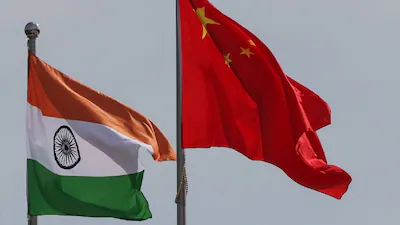
Background: From Pandemic to Border Tensions
The suspension of tourist visas began during the global outbreak of COVID-19, when international travel came to a near standstill. However, even after pandemic restrictions eased, the visa freeze continued due to heightened tensions between the two nations following the Galwan Valley clash.
The incident significantly impacted diplomatic engagement, leading to reduced travel, limited cultural exchanges, and a broader slowdown in bilateral interactions. Over the years, this pause became symbolic of the strained ties between the two neighboring countries.
A Step Toward Diplomatic Normalisation
The resumption of tourist visas reflects a cautious yet meaningful attempt to stabilise relations. In recent months, both sides have engaged in diplomatic and military-level discussions aimed at reducing friction along the border and rebuilding trust.
This decision aligns with other confidence-building measures, including efforts to restore direct connectivity and facilitate exchanges in areas such as business and pilgrimage. While challenges remain, the reopening of tourist visas signals a willingness to move forward through gradual engagement rather than prolonged disengagement.
Impact on Travel and Economic Activity
The move is expected to provide a boost to the tourism and hospitality sectors, which had been impacted by the absence of Chinese travellers. Before the suspension, visitors from China formed a notable segment of international tourists in India, contributing to sectors such as hospitality, retail, and cultural tourism.
With visas being issued again, travel operators and businesses anticipate a steady revival in inbound tourism. The decision may also encourage greater people-to-people interaction, which plays an important role in shaping mutual understanding between nations.
Broader Implications for Bilateral Relations
While the reopening of tourist visas is a positive development, it represents only one part of a larger and more complex relationship. Key geopolitical issues, particularly along the border, continue to require sustained dialogue and resolution.
Nevertheless, restoring travel access indicates that both countries are open to rebuilding engagement in less sensitive areas. Tourism, cultural exchange, and interpersonal connections often serve as foundations for improving broader diplomatic ties.
The MGMM Outlook
The decision by India to resume tourist visas for citizens of China reflects a calibrated attempt to reintroduce engagement without overlooking the underlying complexities that have defined bilateral ties since the Galwan Valley clash. While the move signals openness to restoring people-to-people connections, it also highlights a pragmatic recognition that prolonged disengagement is neither sustainable nor beneficial for regional stability. Reopening tourism channels creates space for softer diplomatic interactions, which often act as a precursor to broader trust-building measures, even when core geopolitical concerns remain unresolved.
At the same time, this step carries economic and strategic undertones, particularly for sectors that rely on international inflows and cultural exchange. Reviving tourism can gradually rebuild interdependence, which in turn may contribute to a more stable bilateral environment over time. However, the effectiveness of such measures will depend on parallel progress in addressing longstanding issues, especially along the border. The move underscores a careful balancing act—re-engaging where possible while maintaining caution—suggesting that incremental normalization, rather than sweeping changes, is likely to define the trajectory of relations in the near future.
(Sources: News18, Economic Times, NDTV)


Comments