
India Reinstates Ban on Pakistani Celebrity Social Media Accounts Following Brief Lift
- MGMMTeam

- Jul 3, 2025
- 3 min read
The Indian government has reimposed bans on several Pakistani social media accounts after a brief period during which these accounts became unexpectedly accessible to Indian users. This sudden reinstatement came amid a mix of public backlash, government clarifications, and heightened geopolitical tensions between India and Pakistan.
The Unexpected Reappearance of Pakistani Celebrities Online
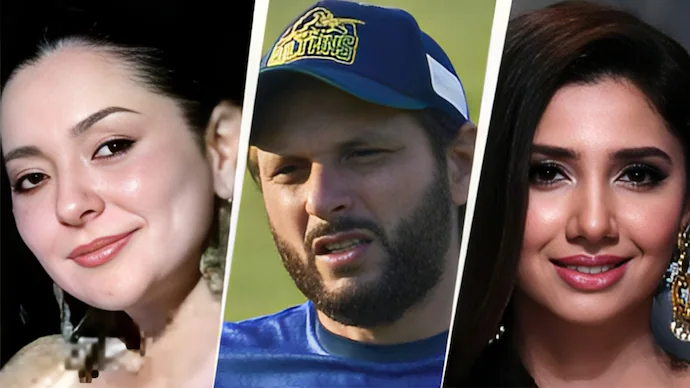
On July 2, many prominent Pakistani Instagram and Twitter accounts—belonging to well-known actors and sports personalities such as Mawra Hocane, Saba Qamar, and Shahid Afridi—became accessible in India after months of geo-blocking. Several popular Pakistani YouTube channels including Hum TV, ARY Digital, and Har Pal Geo also briefly appeared unblocked. This sudden visibility sparked widespread speculation about a potential policy change or a softening stance by Indian authorities.
However, it was soon clarified that this was not a deliberate action by the government but rather a technical oversight. Despite the brief window, some of the most notable accounts like those of Fawad Khan and Mahira Khan remained blocked, indicating that the unblocking was inconsistent and likely unintentional.
The Government’s Response: A Technical Glitch and Swift Correction
By the morning of July 3, the Indian government reinstated the bans across the affected platforms. Attempts to access the previously unblocked accounts resulted in the familiar message that the content was restricted due to legal compliance. Official sources stated that the temporary lift in restrictions was due to a technical glitch in the platforms’ compliance mechanisms and not a change in government policy.
This swift corrective action underscored the government's firm position on restricting Pakistani digital content, especially in the wake of ongoing security concerns. The re-blocking was automatic and reflected the continuation of the previously enforced bans.
Origins and Scope of the Ban
The bans on Pakistani social media accounts and media platforms trace back to the aftermath of Operation Sindoor, launched by India in response to the terrorist attack in Pahalgam on April 22, 2025. India accused Pakistan-backed groups of involvement in the attack, prompting a series of retaliatory measures including airstrikes and stringent controls on Pakistani content accessible in India.
The ban covered a vast range of accounts, reportedly numbering between 14,000 and 18,000, encompassing social media profiles of Pakistani celebrities, news outlets, and content creators. Besides individual accounts, Pakistani YouTube news channels with millions of Indian subscribers were also geo-blocked. The government also extended restrictions to streaming platforms, instructing them to remove Pakistani-origin content citing national security and public order concerns.
These moves formed part of a broader tightening of digital borders between the two nations, with India reinforcing its control over narratives considered threatening or provocative.
Public and Industry Reactions to the Brief Lift and Reinstatement
The brief visibility of Pakistani accounts triggered an intense response from Indian audiences and industry groups. The All India Cine Workers Association (AICWA) condemned the temporary unblocking as an affront to the victims of terror attacks and called for a permanent ban on Pakistani artists and content. Social media platforms witnessed a surge in criticism, with many users expressing frustration over the glitch and reaffirming support for the bans.
In addition, misinformation and rumors circulated online during this period, including unfounded claims that cricketer Shahid Afridi had disparaged Indian leadership, which further fueled tensions. These rumors were quickly debunked, but they highlighted the sensitivity surrounding Pakistani content in Indian cyberspace.
The Larger Geopolitical Context
The back-and-forth regarding Pakistani social media content is reflective of the broader geopolitical crisis between India and Pakistan in 2025. The Pahalgam terror attack significantly escalated tensions, leading to military engagements, suspension of visas, and heightened diplomatic strain.
Beyond social media, India has taken aggressive steps to counter perceived Pakistani influence online, including directing platforms like X (formerly Twitter) to block thousands of accounts linked to Pakistani media outlets and individuals. These actions are part of a comprehensive strategy aimed at safeguarding national security and curbing the spread of misinformation or content deemed incendiary.
Conclusion: Firm Stance Amid Technical Hiccups
The temporary lifting and subsequent reinstatement of bans on Pakistani social media accounts underscore the complexities involved in digital content regulation during geopolitical conflicts. While the brief unblocking was an inadvertent technical error, it served to remind all stakeholders of the delicate balance between open communication and national security imperatives.
India’s government has made clear its unwavering commitment to restricting Pakistani digital content as part of its broader response to security challenges. As tensions persist, such digital bans are likely to remain a significant feature of the ongoing India-Pakistan dispute.
(Sources: India Today, NDTV, LiveMint)


Comments