
India Launches Vigorous Campaign for Non-Permanent Seat on UN Security Council for 2028–29 Term
- MGMMTeam

- Jul 14
- 3 min read
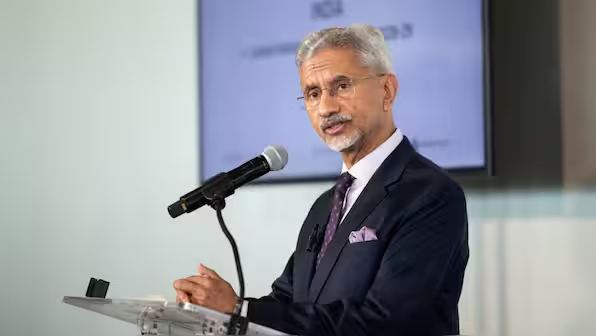
In a significant diplomatic initiative, India has officially begun its campaign for a non-permanent seat on the United Nations Security Council (UNSC) for the 2028–2029 term. External Affairs Minister S. Jaishankar formally launched the bid at a special event at the UN Headquarters in New York, where he also held discussions with UN Secretary-General António Guterres.
The campaign is built around the theme “#India4UNSC: Peace, Planet, Progress” and is guided by the vision of SHANTI — Securing Holistic Advancement through Norms, Trust, and Integrity. This effort reflects India’s commitment to addressing contemporary global challenges through inclusive and effective multilateralism.
Amplifying the Voice of the Global South
At the heart of India’s campaign lies a strong emphasis on representing the aspirations and concerns of developing nations. As global instability persists through conflicts in various regions, issues such as disruptions in food, energy, and fertilizer supplies continue to affect vulnerable populations disproportionately. India aims to ensure that the perspectives of the Global South are prominently featured in Security Council deliberations, promoting a more balanced approach to international peace and security.
This positioning aligns with India’s broader diplomatic stance that emerging economies and developing countries must play a greater role in shaping the global agenda. By highlighting these priorities, India seeks to bridge divides and foster cooperative solutions in an increasingly interconnected world.
Navigating a Competitive Diplomatic Race
The election for the lone Asia-Pacific non-permanent seat is scheduled for June 2027 at the UN General Assembly, where candidates require a two-thirds majority for victory. India faces competition from Tajikistan, which has garnered support from the Organisation of Islamic Cooperation (OIC). Despite this, India has secured encouraging early endorsements from several nations, including the United States, Austria, Sri Lanka, Fiji, and others.
Indian diplomats are expected to engage actively with countries across Africa, the Caribbean, Central Asia, and beyond in the months ahead. This will mark India’s ninth term on the Council if successful, following previous tenures in 1950–51, 1967–68, 1972–73, 1977–78, 1984–85, 1991–92, 2011–12, and 2021–22. A return to the Council would enable India to contribute consistently to global decision-making on critical issues.
Renewing the Call for UN Security Council Reform
Alongside its election campaign, India has reiterated the urgent need for comprehensive reforms to the UN Security Council. The current structure, established in 1945, no longer fully reflects the realities of the 21st century. India, as part of the G4 grouping with Brazil, Germany, and Japan, advocates for expanded representation in both permanent and non-permanent categories to enhance the Council’s legitimacy and effectiveness.
Experts and international voices, including IAEA Director General Rafael Mariano Grossi, have noted that it is logical for influential nations like India to aspire to greater responsibilities in global governance, given the country’s substantial contributions to peacekeeping, sustainable development, and multilateral forums.
The MGMM Outlook
India’s campaign for a non-permanent seat on the UN Security Council for the 2028–29 term reflects its growing confidence and influence in global diplomacy. By placing the concerns of the Global South at the centre of its agenda and advocating for peace, sustainable development, and effective multilateralism, India is positioning itself as a nation committed to addressing global challenges through cooperation and dialogue. The campaign also reinforces India's long-standing belief that developing nations deserve a stronger voice in shaping international decisions that directly affect their future.
The renewed push for UN Security Council reforms further highlights India's vision of creating a more representative and balanced global governance system. As one of the world's fastest-growing major economies and a significant contributor to peacekeeping and international development, India continues to strengthen its credentials for a greater role on the global stage. A successful return to the Security Council would enhance India's ability to contribute to international peace and security while advancing the interests of emerging economies and promoting a more inclusive world order.


Comments