
India Appoints Dinesh Trivedi as High Commissioner to Bangladesh

India has appointed Dinesh Trivedi as its next High Commissioner to Bangladesh, marking a notable shift in its diplomatic approach toward the neighbourhood. The decision comes at a time when New Delhi is seeking to recalibrate and strengthen ties with Dhaka following a period of political and strategic uncertainty. Unlike conventional appointments drawn from the Indian Foreign Service, Trivedi’s selection reflects a deliberate move to place political experience at the forefront of a sensitive diplomatic engagement.
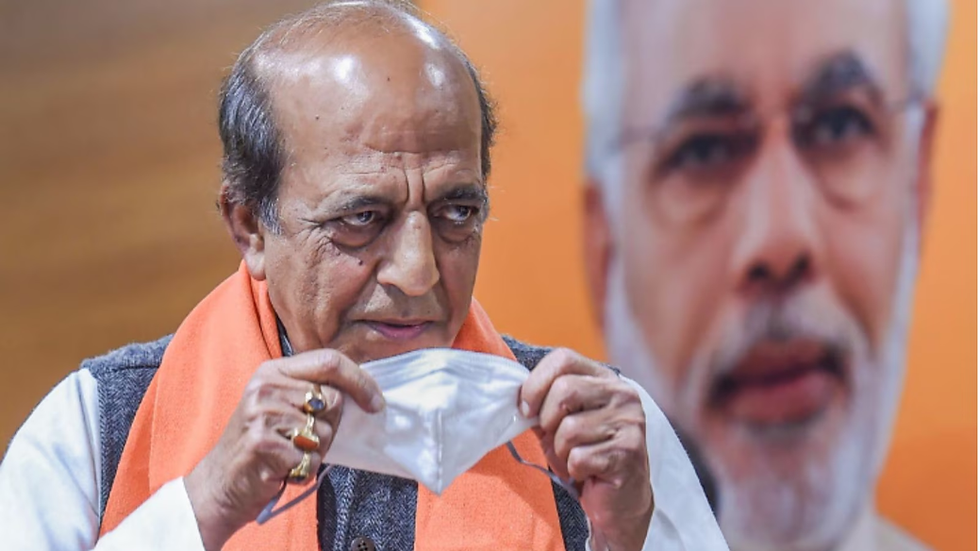
A Strategic Diplomatic Shift
The appointment signals a broader evolution in India’s foreign policy strategy under Narendra Modi, where political leadership is being increasingly integrated into diplomacy. Trivedi, with decades of parliamentary and ministerial experience, is expected to bring a nuanced understanding of governance and political negotiation to the role. His posting breaks from long-standing tradition and suggests that India is willing to deploy seasoned political figures to manage complex bilateral relationships, especially in strategically significant neighbouring countries.
This move also indicates a more hands-on and politically driven approach to diplomacy. At a time when regional dynamics are shifting rapidly, New Delhi appears intent on ensuring that its representation abroad is equipped not just with diplomatic expertise but also with political insight and influence.
Resetting India–Bangladesh Relations
Relations between India and Bangladesh have experienced phases of both strong cooperation and occasional strain. Recent political developments in Dhaka created a degree of uncertainty, prompting both nations to re-engage diplomatically and rebuild trust. The appointment of Trivedi comes at this critical juncture, underscoring India’s intent to stabilise and deepen its ties with its eastern neighbour.
There have already been signs of renewed engagement, with both sides exploring cooperation in energy, trade, and connectivity. Bangladesh’s interest in strengthening economic linkages with India, particularly in sectors such as fuel imports and infrastructure, highlights the continued interdependence between the two nations. Trivedi’s role will be crucial in translating these shared interests into tangible outcomes while addressing any lingering concerns.
Experience and Political Background
Dinesh Trivedi brings with him a long and diverse political career. Having served as India’s Railway Minister and held responsibilities in the health sector, he has been part of key decision-making processes at the national level. His experience in both the Lok Sabha and the Rajya Sabha has provided him with a comprehensive understanding of legislative and administrative functioning.
Over the years, Trivedi has been associated with multiple political formations before joining the ruling party, giving him a broad perspective on governance and policy. This varied background is expected to aid him in handling the complexities of India–Bangladesh relations, where political sensitivity often plays as important a role as diplomatic protocol.
Importance of India–Bangladesh Partnership
India and Bangladesh share deep-rooted historical, cultural, and economic ties that continue to shape their relationship. From cooperation in trade and energy to collaboration on security and border management, the partnership has grown significantly over the years. Connectivity projects, cross-border trade initiatives, and people-to-people exchanges have further strengthened this bond.
The strategic importance of Bangladesh in India’s neighbourhood policy cannot be overstated. As a key partner in South Asia, its stability and cooperation are vital for regional growth and security. Strengthening ties with Dhaka also aligns with India’s broader vision of regional integration and economic development.
The MGMM Outlook
India’s decision to appoint Dinesh Trivedi as High Commissioner to Bangladesh reflects a clear shift toward a more politically attuned diplomatic strategy. By moving beyond the traditional reliance on career diplomats, India appears to be prioritising political experience and real-world governance insight in handling sensitive regional relationships. This approach suggests an effort to make diplomacy more responsive and outcome-driven, particularly at a time when regional dynamics demand deeper engagement and quicker adaptation. With leadership under Narendra Modi increasingly blending politics with foreign policy, such appointments signal a willingness to experiment with new methods to secure strategic interests.
At the same time, the move highlights the importance of rebuilding and strengthening ties with Dhaka amid shifting political conditions. India–Bangladesh relations, rooted in shared history and growing economic interdependence, require careful handling to sustain momentum in areas like trade, energy, and connectivity. Trivedi’s political background positions him to navigate these complexities while fostering trust and cooperation at multiple levels. The appointment underscores a recognition that managing neighbourhood relations is not just about formal diplomacy, but about understanding political realities on the ground and translating them into stable, forward-looking partnerships.
(Sources: Hindustan Times, Indian Express, LiveMint)


Comments