
India Advances Landmark Rafale Deal: Finalising LoR for 114 Jets with Strong Indigenous Focus

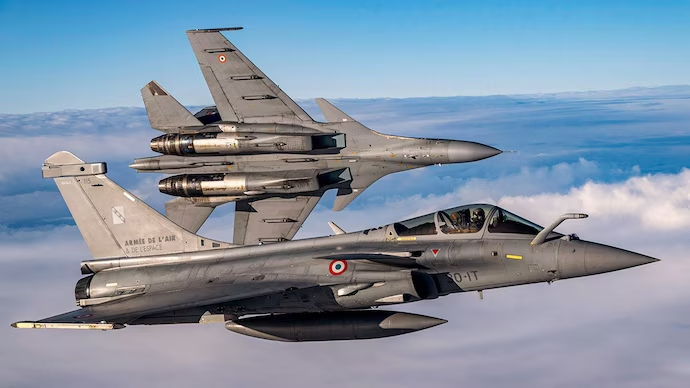
In a major development for India’s defence modernisation, the government has finalised a Letter of Request (LoR) for the acquisition of 114 Dassault Rafale multirole fighter jets for the Indian Air Force. This proposed acquisition represents one of the largest defence deals in India’s history and reflects a determined push towards enhancing aerial capabilities while promoting domestic manufacturing.
The LoR is expected to be formally sent to the French government in the coming weeks. Following France’s response on commercial and technical aspects, including pricing, delivery schedules, and technology transfer, India will move towards issuing a formal Request for Proposal and entering detailed negotiations. The proposal has already secured Acceptance of Necessity from the Defence Acquisition Council and awaits final approval from the Cabinet Committee on Security.
Scale and Structure of the Proposed Deal
The deal, estimated to be worth approximately ₹3.25 lakh crore (around $39 billion), is being pursued under the Multi-Role Fighter Aircraft (MRFA) programme. A defining feature of this acquisition is its strong emphasis on local production. Nearly 90 of the 114 aircraft are planned to be manufactured in India through a collaboration between French aerospace major Dassault Aviation and an Indian industry partner. The remaining jets will be supplied in fly-away condition.
Indian authorities are seeking up to 50 percent indigenous content in the programme. This includes greater involvement of domestic companies in the supply chain, assembly lines, and integration of subsystems, aligning with the country’s broader goals of building self-reliance in high-technology defence sectors.
Strategic Importance for the Indian Air Force
The Indian Air Force currently operates 36 Rafale jets acquired earlier, which have demonstrated exceptional performance in various operational scenarios. The Navy is also inducting 26 Rafale-M carrier-based variants. The addition of 114 more aircraft will enable significant fleet standardisation, leading to reduced logistics costs, streamlined maintenance, and lower training requirements due to the existing support ecosystem.
This procurement is expected to play a crucial role in addressing the IAF’s squadron strength shortfall. The force is currently operating with around 29-30 squadrons against a sanctioned strength of 42. If negotiations proceed smoothly, deliveries could commence by 2030, providing a timely boost to India’s combat readiness.
Timeline and Next Steps
The Defence Acquisition Council granted initial clearance to the proposal in February 2026. High-level engagements are scheduled to maintain momentum, including a visit by the IAF Chief to France in early June, ahead of the Prime Minister’s planned trip later that month. Officials are aiming to finalise the contract by the end of 2026.
Deepening India-France Defence Partnership
This programme goes beyond a simple purchase and is seen as an opportunity to strengthen long-term industrial collaboration with France. Both nations are exploring avenues for co-design and co-production in future projects, including next-generation fighter technologies and advanced combat engines. France has expressed willingness to support enhanced technology transfer and local manufacturing to make the partnership mutually beneficial.
The Rafale’s advanced features, including its sophisticated sensors, long-range Meteor missiles, and SCALP cruise missiles, make it well-suited to meet India’s operational needs in a complex regional security environment.
The MGMM Outlook
India’s move to finalise the Letter of Request for 114 Rafale fighter jets marks a defining step in strengthening national defence capabilities while reinforcing the long-term vision of military self-reliance. Beyond being a major procurement decision, the deal reflects a strategic balance between immediate operational needs and future readiness, especially as the Indian Air Force works to bridge critical squadron gaps. The emphasis on acquiring a proven platform like the Dassault Rafale ensures continuity, interoperability, and faster combat preparedness in an increasingly complex regional security environment.
What makes this development particularly significant is its strong indigenous focus under the broader Indian Air Force modernization framework. With a substantial portion of the aircraft expected to be manufactured domestically through collaboration with Dassault Aviation, the programme has the potential to accelerate India’s aerospace ecosystem, strengthen local supply chains, and create long-term technological capabilities. At the same time, the expanding defence partnership between India and France signals a deeper strategic alignment that extends beyond procurement into co-development and advanced defence innovation.
(Sources: India Today, Indian Express, Moneycontrol)


Comments