
Passport Is Not Conclusive Proof of Indian Citizenship: Understanding the MEA Clarification and Legal Requirements
- MGMMTeam

- Jun 24
- 4 min read
The Ministry of External Affairs (MEA) has provided an important clarification stating that an Indian passport does not serve as conclusive proof of citizenship. Issued on the occasion of the 14th Passport Seva Divas on June 24, 2026, this reminder emphasises the fundamental distinction between a travel document and legal evidence of citizenship.
While passports are issued only to Indian citizens, the MEA has stressed that their primary purpose is to facilitate international travel. The document remains the property of the Government of India and can be called back at any time. This clarification has renewed public interest in understanding what truly establishes Indian citizenship under Indian law.
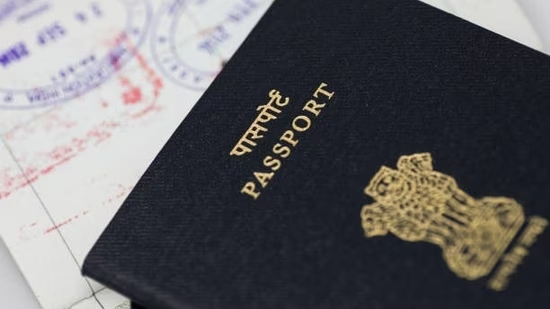
The Role and Limitations of a Passport
A passport is a vital document that enables Indians to travel abroad and represents the nation’s identity on the global stage. However, it functions mainly as a travel instrument rather than a definitive certificate of citizenship. Historical court observations, including rulings from the Bombay High Court, have noted that a passport alone may not suffice as irrefutable proof, particularly in cases involving individuals born after specific cut-off dates. This position aligns with the broader legal framework designed to prevent misuse and ensure accurate verification.
The MEA’s statement serves as a timely public education measure, helping citizens appreciate the document’s intended scope while encouraging proper maintenance of foundational records.
Common Documents and Their Limitations
In everyday life, many Indians rely on widely used identity cards for various official purposes. However, documents such as the Aadhaar card, Voter ID, and PAN card are designed for specific functions like identity verification, electoral participation, or taxation. They do not constitute conclusive evidence of citizenship according to government clarifications and judicial observations.
This distinction becomes particularly relevant during processes involving electoral roll revisions, immigration checks, or legal disputes. Relying solely on these documents can lead to complications when deeper verification of citizenship status is required.
Citizenship by Birth Under Indian Law
The foundation of Indian citizenship rests in the Citizenship Act, 1955, and its subsequent amendments. The rules for citizenship by birth vary based on the date of birth, reflecting evolving policy considerations over decades.
Individuals born in India between January 26, 1950, and June 30, 1987, are recognised as citizens by birth regardless of their parents’ nationality. For those born between July 1, 1987, and December 2, 2004, citizenship requires at least one parent to be an Indian citizen at the time of birth. Children born on or after December 3, 2004, qualify if both parents are Indian citizens or if one parent is an Indian citizen and the other is not an illegal migrant.
These provisions ensure clarity while accommodating different historical contexts. Citizenship can also be acquired through descent, registration, or naturalisation, each with its own set of eligibility criteria and documentation requirements.
Documents That Support Citizenship Claims
Establishing citizenship in India typically involves presenting a combination of records rather than depending on any single document. Key supportive documents often include birth certificates issued by competent authorities, citizenship certificates from the Ministry of Home Affairs, and registration or naturalisation papers.
For many individuals, especially in older generations, school leaving certificates, matriculation records, domicile certificates, or nativity certificates can provide valuable supporting evidence of birth details and long-term residence in India. In cases involving descent, parents’ or grandparents’ passports, birth records, or other official proofs of their citizenship status play a crucial role. Older government documents predating key cut-off dates may also carry significant weight during verification.
Maintaining organised family and personal records is advisable, as these help streamline processes ranging from passport applications to any potential official inquiries.
Expansion and Improvement in Passport Services
Alongside the clarification on citizenship, the MEA highlighted substantial progress in passport delivery and infrastructure. In 2025, the ministry facilitated around 1.5 crore passport-related services, including the issuance of 1.39 crore passports. Processing times have improved significantly, with most applications completed within six working days, excluding police verification. Citizens now spend an average of less than 45 minutes at Passport Seva Kendras.
The network has expanded dramatically to 545 centres across the country, up from 77 a decade ago, supported by initiatives such as mobile vans and the introduction of secure chip-enabled e-passports. These developments reflect ongoing efforts to enhance accessibility and efficiency for citizens both within India and abroad.
The MGMM Outlook
The Ministry of External Affairs’ clarification that an Indian passport is not conclusive proof of citizenship highlights an important distinction between a travel document and legal evidence of nationality. While passports are issued only to Indian citizens and remain symbols of India’s global identity, citizenship itself is governed by the Citizenship Act, 1955, and its subsequent amendments. The clarification reinforces the need for citizens to understand the legal basis of citizenship and the significance of maintaining foundational records such as birth certificates, citizenship certificates, and other supporting documents.
The discussion also brings attention to the broader framework of identity and documentation in India. Commonly used documents like Aadhaar, PAN, and Voter ID serve important administrative purposes but do not independently establish citizenship. At the same time, the continued expansion and modernisation of passport services demonstrate the government’s commitment to improving accessibility and efficiency for citizens. Greater awareness about documentation requirements, combined with stronger public record-keeping, can help ensure smoother verification processes and strengthen confidence in the country’s legal and administrative systems.
(Sources: Moneycontrol, India Today, Hindustan Times)


Comments