
Parliament Clears Stronger Anti-Paper Leak Bill; PM Modi Vows Relentless Crackdown on Exam Mafias

The Indian Parliament has passed the Public Examinations (Prevention of Unfair Means) Amendment Bill, 2026, introducing stricter measures to combat paper leaks and organised examination fraud across the country. Shortly after the legislation received parliamentary approval, Prime Minister Narendra Modi shared a video message on Instagram, describing the Bill as a landmark step towards restoring faith in India's examination system and assuring students that those involved in paper leak rackets "will not be spared."
The Prime Minister stated that examination fraud has troubled students and their families for years, undermining merit and creating uncertainty for millions of aspirants preparing for competitive examinations. He said the government has consistently worked towards strengthening the integrity of public examinations and that the newly amended law marks another major step in protecting honest students from organised criminal networks involved in cheating and paper leaks.
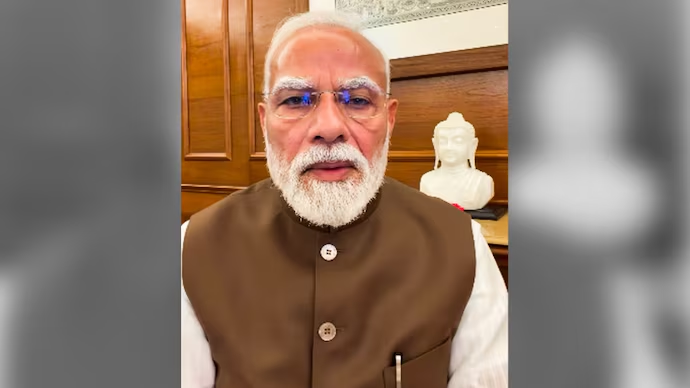
Government Reaffirms Commitment to Fair Examinations
In his address, Prime Minister Modi emphasized that every deserving student should receive opportunities based solely on merit rather than being disadvantaged by criminal activities. He noted that successive reforms have focused on improving examination security through technological innovations, better coordination among authorities, and stronger legal safeguards.
The Prime Minister also highlighted that the Centre has encouraged states and examination agencies to adopt modern security mechanisms, including digital monitoring, secure question paper transmission, and enhanced surveillance throughout the examination process. According to him, technology and strict enforcement together will help eliminate opportunities for organised examination fraud.
Tougher Punishments Under the Amended Law
The amended legislation substantially strengthens penalties for individuals and organisations involved in examination-related offences.
Those found guilty of leaking question papers, manipulating examination processes, or facilitating unfair means may now face imprisonment ranging from five to ten years, along with fines that can extend up to ₹50 lakh. Organised criminal syndicates operating paper leak rackets face even stricter consequences, including a minimum imprisonment of seven years and fines beginning at ₹10 crore.
The legislation also empowers investigative agencies to pursue organised examination fraud more effectively, while making institutions responsible for maintaining stronger examination security protocols.
Background: Rising Concern Over Paper Leak Cases
The strengthening of the anti-paper leak law comes after several high-profile examination controversies in recent years, including recruitment tests and entrance examinations that were allegedly compromised due to paper leaks and organised cheating networks. These incidents affected lakhs of candidates across multiple states and triggered widespread demands for stronger legal action against those responsible.
Successive investigations into such cases have revealed that paper leak operations often involve organised criminal groups using sophisticated methods to illegally obtain question papers before examinations. Authorities have increasingly focused on dismantling these networks through coordinated investigations involving central and state agencies.
Technology to Play a Bigger Role
Beyond stricter punishments, the government has indicated that future examination reforms will increasingly rely on technology to prevent fraud. Secure digital systems, encrypted question paper distribution, biometric verification, AI-assisted monitoring, and improved cyber security measures are expected to become more integral to the administration of major public examinations.
Education experts have long argued that while stringent laws are necessary, technological safeguards and administrative reforms are equally important to preserving the credibility of competitive examinations and recruitment processes.
Restoring Confidence Among Students
The passage of the amended law is being viewed as an important effort to reinforce confidence in India's public examination system. With millions of students appearing for competitive examinations every year, maintaining transparency and fairness remains essential for ensuring equal opportunities.
In his message, Prime Minister Modi reiterated that the government remains committed to protecting the dreams and hard work of students. He asserted that those attempting to profit by manipulating examinations would face decisive action under the strengthened legal framework, while deserving candidates would benefit from a more transparent and credible examination process.
The MGMM Outlook
For millions of students, competitive examinations represent years of hard work and the hope of a better future. Strengthening the legal framework against paper leaks reflects a determined effort to safeguard merit and restore confidence in India's examination system. With harsher punishments for organised examination fraud, greater accountability for institutions, and the integration of advanced technologies such as encrypted paper distribution, biometric verification, and AI-based monitoring, the government is signalling that examination integrity is now a national priority rather than merely an administrative concern.
The stronger anti-paper leak law also acknowledges that examination fraud is no longer limited to isolated incidents but often involves organised criminal networks that undermine equal opportunity for deserving candidates. By combining stricter enforcement with technology-driven reforms, the legislation aims to create a more transparent and secure examination ecosystem. Effective implementation across states and examination bodies will be essential, but the strengthened framework represents an important step towards ensuring that success in public examinations is determined by merit, preparation, and honest effort rather than unfair means.
(Sources: India Today, The New Indian Express, Times of India)


Comments