
Nine Years of GST: A Transformative Journey Towards a Mature Digital Tax Ecosystem

Nine years after its introduction on July 1, 2017, the Goods and Services Tax (GST) has firmly established itself as a cornerstone of India’s indirect tax framework. What began as a bold initiative to unify the nation’s fragmented tax structure has evolved into a sophisticated digital system that supports economic formalisation, enhances transparency, and contributes steadily to national revenue. Today, GST stands as a testament to collaborative federalism and technological innovation, enabling smoother business operations and a more integrated national market.
Robust Revenue Growth Signals Economic Strength
The latest provisional figures released by the Finance Ministry underscore GST’s sustained momentum. Gross collections for June 2026 reached Rs 1,94,812 crore, reflecting a healthy 13.9 per cent year-on-year increase. Net collections after refunds stood at Rs 1,62,377 crore, up 11.2 per cent. Import revenues provided a notable boost, rising 34.6 per cent, while domestic revenues also recorded steady growth. For the first quarter of FY27, gross collections totalled Rs 6,31,699 crore.
Over the longer term, annual GST revenues have shown impressive expansion, rising from approximately Rs 7.19 lakh crore in the first full year to over Rs 22 lakh crore in recent years. This consistent upward trend highlights both improved compliance and the underlying resilience of consumption and manufacturing activities across the country.
Digital Maturity and Expanded Reach
The GST Network has transformed tax administration into one of the world’s largest and most efficient digital platforms. Since its launch, the system has processed hundreds of crores of returns, invoices, and e-Way Bills, while facilitating cumulative tax payments running into lakhs of crore rupees. As of recent data, the number of registered taxpayers has grown significantly to around 1.65 crore, marking a substantial increase from the initial base and reflecting broader economic formalisation.
This digital backbone has replaced cumbersome paper-based processes with seamless online filing, real-time tracking, and automated tools. Features such as e-invoicing and simplified return mechanisms have made compliance more accessible, particularly for businesses of varying scales, while contributing to greater transparency in the overall tax ecosystem.
Rising Business Confidence and Sectoral Benefits
Industry sentiment towards GST has reached encouraging new heights. Recent surveys, including Deloitte’s GST@9 study involving over a thousand business leaders, indicate that positive and neutral perceptions now approach near-universal levels, with strong appreciation for digital compliance and recent rate adjustments. Many businesses view the regime as a facilitator of efficiency rather than merely a regulatory requirement.
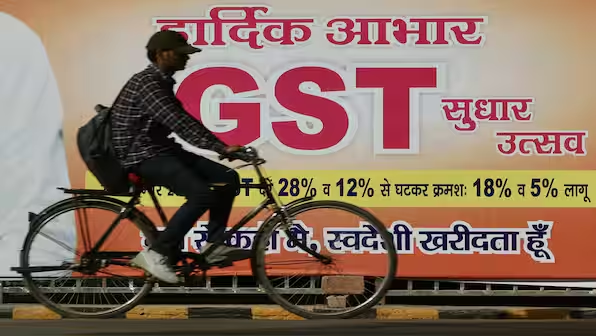
Rate rationalisation efforts have delivered tangible relief across key areas. Taxes on several everyday household products, agricultural equipment, and healthcare-related items have been streamlined, helping to support consumption and ease the burden on families and essential sectors. Consumer-facing industries and healthcare have reported particularly favourable outcomes, while micro, small, and medium enterprises (MSMEs) have increasingly adapted to the system, benefiting from improved processes and greater predictability.
The Path Forward: Towards GST 2.0
While significant progress has been achieved, the journey continues with a clear focus on further simplification and optimisation. Stakeholders have highlighted opportunities to accelerate refunds, enhance liquidity support, resolve interpretational issues more swiftly, and leverage advanced technologies such as AI for even smoother administration. Addressing remaining complexities in areas like input tax credits and audit procedures will help unlock additional value for businesses and the broader economy.
Policymakers and industry participants alike are aligned on shaping the next phase—often referred to as GST 2.0—through continued reforms that prioritise ease of compliance, faster dispute resolution, and greater integration of technology. These steps aim to build on the foundation already laid and ensure the system remains responsive to evolving economic needs.
The MGMM Outlook
Nine years after its implementation, GST has evolved into far more than a tax reform—it has become one of the strongest pillars of India's digital governance and economic formalisation. Consistently rising tax collections, an expanding taxpayer base, and the widespread adoption of digital compliance mechanisms demonstrate that the system is becoming more efficient, transparent, and business-friendly. The integration of technology through e-invoicing, automated filings, and real-time monitoring has significantly improved tax administration while fostering greater trust and accountability across the economy.
As India moves toward the next phase of GST reforms, the emphasis should be on simplifying compliance, accelerating refunds, reducing procedural complexities, and harnessing advanced technologies such as AI to enhance efficiency. Continued collaboration between policymakers and industry will be crucial in ensuring that GST remains adaptive to evolving business needs while strengthening India's competitiveness. A more streamlined and innovation-driven GST ecosystem has the potential to further boost investment, support MSMEs, encourage formal economic participation, and reinforce the country's long-term growth trajectory.
(Sources: Firstpost, NDTV, Moneycontrol)



Comments