
Iranian Foreign Minister Abbas Araghchi Holds Phone Conversation with India's S Jaishankar Amid Ongoing West Asia Tensions

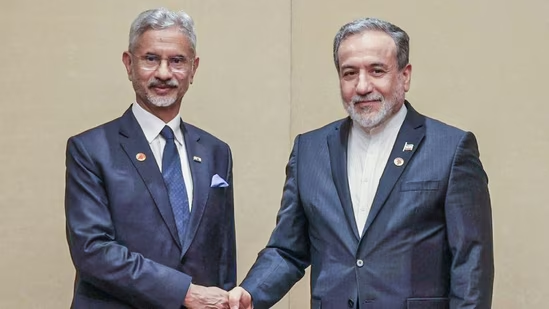
Iranian Foreign Minister Seyed Abbas Araghchi reached out to India's External Affairs Minister S Jaishankar on Wednesday evening for a detailed discussion on the evolving situation in West Asia. This conversation reflects the continued diplomatic engagement between India and Iran as the region navigates a fragile ceasefire and persistent challenges to stability.
Jaishankar confirmed the call on social media, stating, “Received a phone call from Foreign Minister Seyed Abbas Araghchi of Iran this evening. Had a detailed conversation about various aspects of the current situation. We agreed to remain in close touch.” The Iranian side similarly described the talks as covering ceasefire developments, bilateral relations, and broader regional and international issues.
This marks one of several high-level exchanges between the two ministers since the escalation of hostilities earlier this year, underscoring the importance both nations place on sustained communication during turbulent times.
The Broader Regional Context
The phone call takes place against the backdrop of a ceasefire between Iran and the United States that was initially agreed upon in early April and later extended indefinitely. Despite this pause in active fighting, tensions remain high, particularly over navigation through the Strait of Hormuz — a critical waterway for global energy supplies. Disruptions in the strait have affected oil, natural gas, and fertiliser flows, impacting economies worldwide, including India’s energy security.
Iran has been actively pursuing diplomatic avenues to address these challenges. Araghchi’s recent engagements include visits and discussions with leaders in Pakistan, Oman, Russia, Poland, and Kenya. These efforts aim to facilitate de-escalation, ensure safe maritime passage, and promote dialogue among concerned parties.
India’s Diplomatic Approach and Strategic Interests
India has maintained a balanced and constructive stance, emphasising the need for dialogue, respect for sovereignty, and the protection of vital sea lanes. As a nation with significant stakes in regional stability — including oil imports, the operation of Chabahar Port for connectivity to Afghanistan and Central Asia, and the safety of its vessels and personnel — New Delhi continues to engage with all key players.
The frequent interactions between Jaishankar and Araghchi highlight the strength of India-Iran bilateral ties even amid complex geopolitical dynamics. India has consistently advocated for peaceful resolutions that safeguard global trade routes and support economic recovery in the region.
The MGMM Outlook
The conversation between Abbas Araghchi and S. Jaishankar comes at a time when West Asia remains tense despite a ceasefire, highlighting how diplomacy is being actively used to prevent further instability. The continued engagement signals that both India and Iran recognize the fragile nature of the current situation, especially with ongoing concerns around critical routes like the Strait of Hormuz. With global energy flows and economic stability closely tied to developments in this region, such direct communication reflects an urgent need to maintain transparency, coordination, and mutual understanding among key stakeholders.
India’s approach appears measured and strategic, balancing its geopolitical interests while reinforcing its commitment to stability and open dialogue. With vital investments like Chabahar Port and heavy dependence on energy imports, maintaining strong ties with Iran becomes both a diplomatic and economic necessity. The ongoing exchanges between the two ministers underline India’s effort to stay actively involved without escalating tensions, while also ensuring that its trade routes, regional connectivity goals, and broader strategic interests remain protected in an increasingly uncertain global landscape.
(Sources: Hindustan Times, India TV)


Comments