
Indian Army Enhances Precision Strike Capabilities with Induction of Indigenous Jet-Powered Kamikaze Drones
- MGMMTeam

- Jun 11
- 3 min read
In a significant development for India's defence modernisation, the Indian Army has received a batch of over 100 indigenous jet-powered kamikaze drones. Delhi-based defence firm SMPP has delivered 106 units of the Peacekeeper (Agniveg) system, comprising 100 operational drones and six training variants. This induction strengthens the Army's ability to conduct deep strikes with precision and resilience in contested environments, marking an important step forward in enhancing operational readiness.
The delivery was completed swiftly following successful user trials, reflecting the growing momentum in indigenous defence manufacturing. These drones are designed to address critical capability gaps by offering a cost-effective solution for engaging high-value targets at extended ranges.
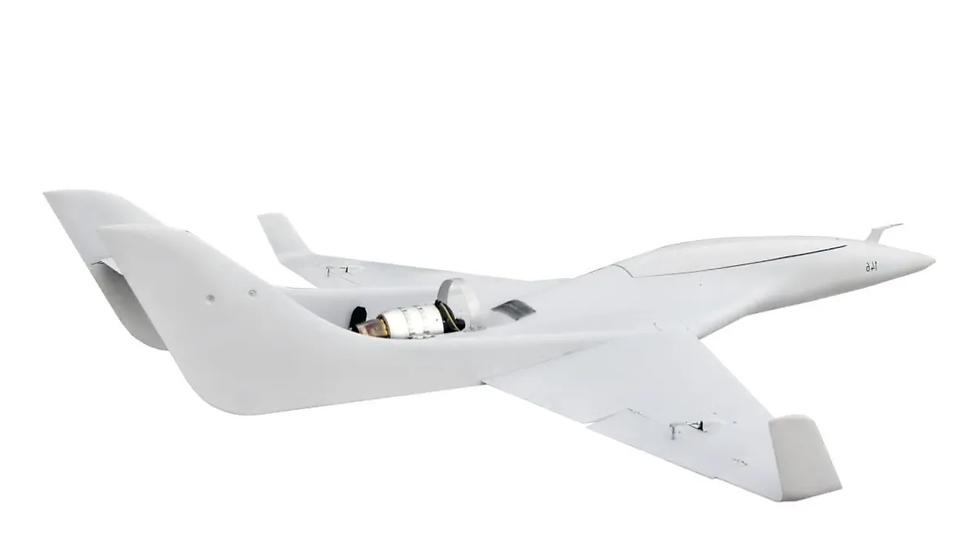
Overview of the Peacekeeper (Agniveg) System
The Peacekeeper (Agniveg) is a turbojet-powered loitering munition developed through collaboration between Indian and international partners, with substantial indigenous content. Unlike conventional reconnaissance drones, this system is built for one-way precision attack missions. It can autonomously identify and strike targets while operating effectively even when GPS signals are jammed or spoofed.
Powered by an indigenous turbojet engine, the drone achieves impressive performance metrics. It boasts an operational range of up to 180 kilometres and can reach speeds of 450 km/h. During trials, it demonstrated exceptional accuracy with a Circular Error Probable (CEP) of less than five metres, allowing it to hit strategic assets such as command centres, radar installations, logistics hubs, and armoured positions with high reliability.
The system's resilience in electronic warfare environments makes it particularly valuable for modern battlefields, where adversaries increasingly rely on jamming technologies. Operators also have the flexibility to redirect or abort missions mid-flight, adding a layer of tactical versatility.
Strategic Importance for the Indian Army
The introduction of these jet-powered kamikaze drones significantly boosts the Indian Army's standoff strike capabilities. By enabling precision attacks without risking personnel or deploying manned aircraft, the system reduces operational risks while delivering substantial battlefield impact. Its speed and range position it as a bridge between traditional artillery and more expensive missile systems.
This induction aligns with the Army's broader efforts to integrate unmanned systems across various roles, including surveillance, strike, and logistics. Recent procurements under emergency frameworks have accelerated the adoption of advanced drone technologies, preparing the forces for dynamic threats along the borders and in diverse terrains.
SMPP's achievement highlights the potential of Indian industry in developing cutting-edge solutions. The company, known for its expertise in ballistic protection, has successfully diversified into advanced unmanned aerial systems, contributing meaningfully to national self-reliance goals.
Broader Context of India's Drone Modernisation
India's defence establishment has been steadily expanding its unmanned aerial capabilities in response to evolving warfare patterns observed globally. Loitering munitions have demonstrated their effectiveness in recent conflicts, prompting focused investment in indigenous platforms that combine affordability, precision, and technological sophistication.
The Peacekeeper (Agniveg) joins other systems being integrated by the Army, supporting a comprehensive roadmap that envisions large-scale deployment of drones. This push not only enhances combat effectiveness but also fosters innovation within the domestic defence ecosystem, creating opportunities for further technological advancements.
The MGMM Outlook
The induction of the indigenous Peacekeeper (Agniveg) jet-powered kamikaze drones marks a significant advancement in India's efforts to modernise its military capabilities through homegrown innovation. With their ability to conduct precision strikes at long ranges, operate effectively in contested electronic warfare environments, and deliver high accuracy against strategic targets, these systems provide the Indian Army with a powerful force multiplier. Their deployment strengthens standoff attack capabilities while reducing risks to personnel, reflecting the evolving nature of modern warfare where unmanned systems play an increasingly decisive role.
The development and rapid delivery of these drones also highlight the growing maturity of India's defence manufacturing ecosystem. By integrating advanced indigenous technologies such as turbojet propulsion and autonomous targeting systems, the programme demonstrates the country's progress towards greater self-reliance in critical defence sectors. As the Army continues to expand its unmanned capabilities across surveillance, strike, and support roles, platforms like the Peacekeeper (Agniveg) are expected to contribute significantly to operational preparedness, technological innovation, and India's long-term strategic deterrence capabilities.
(Sources: India TV News, Economic Times, NDTV)


Comments