
India Strengthens Gas Pipeline Network Amid Global Energy Disruptions
- MGMMTeam

- Mar 25
- 3 min read
Amid escalating tensions in West Asia, India has taken a decisive step to safeguard its energy security by accelerating the expansion of its natural gas pipeline infrastructure. The move follows disruptions in the Strait of Hormuz, one of the world’s most critical energy transit routes through which a substantial share of global oil and gas supplies flow. For India, which relies heavily on imports to meet its energy demands, the crisis has exposed the risks of overdependence on geopolitically sensitive regions. The slowdown in tanker movement and uncertainty in shipments have raised concerns over supply continuity, pricing pressures, and long-term energy stability.
Government Push for Pipeline Expansion
In response to these challenges, the Ministry of Petroleum and Natural Gas has introduced a comprehensive directive aimed at strengthening the country’s gas pipeline network. The focus is on accelerating infrastructure development by addressing long-standing bottlenecks such as land acquisition hurdles, regulatory delays, and high transportation costs. By introducing time-bound approval mechanisms and streamlining administrative processes, the government aims to ensure that critical pipeline projects are executed without unnecessary delays. This expansion is expected to enhance connectivity across regions, allowing for a more efficient and reliable distribution of natural gas.
Promoting Cleaner and Reliable Energy Alternatives
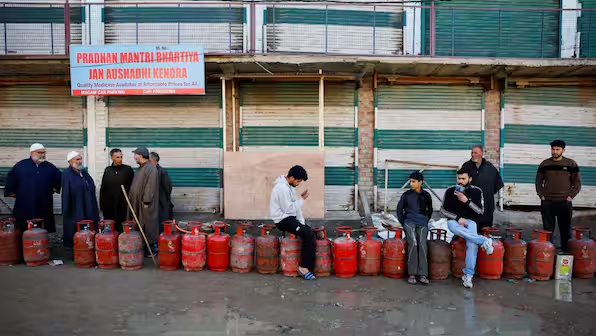
A key aspect of this initiative is the promotion of piped natural gas (PNG) as a viable alternative to conventional fuels like LPG. The government is encouraging households and industries to transition to PNG wherever infrastructure is available, thereby reducing dependence on imported fuels. This shift not only supports energy security but also aligns with India’s broader environmental goals, as natural gas is considered a cleaner-burning fuel. The transition is expected to improve urban energy access while contributing to reduced emissions and better air quality.
Strategic Measures to Address Supply Challenges
The pipeline expansion effort is part of a broader strategy to manage the ongoing energy crisis. The government has introduced regulatory measures to prioritize gas supply for essential sectors such as households, transportation, and fertilizer production. At the same time, India is diversifying its energy sourcing by exploring alternative suppliers beyond the Middle East, including increased imports from countries like the United States and Russia. These steps are aimed at minimizing disruptions and ensuring that critical sectors remain unaffected during periods of global instability.
Long-Term Vision for Energy Security
Beyond immediate crisis management, the emphasis on pipeline infrastructure reflects a long-term vision to build a resilient and self-sustaining energy ecosystem. By strengthening domestic distribution networks and promoting gas-based energy consumption, India is working to reduce its exposure to external shocks and geopolitical risks. The expansion of the national gas grid is also expected to play a crucial role in supporting industrial growth, enhancing regional connectivity, and facilitating a gradual transition toward a more sustainable energy mix.
The MGMM Outlook
India’s decision to accelerate its natural gas pipeline network highlights a clear shift toward reducing vulnerabilities exposed by global geopolitical tensions, particularly in regions like the Strait of Hormuz. The disruptions have reinforced the urgency of building a stronger domestic energy backbone that can withstand external shocks. By addressing structural issues such as project delays, regulatory bottlenecks, and uneven connectivity, the government is moving toward creating a more integrated and dependable gas distribution system that ensures continuity even during international crises.
At the same time, the push for piped natural gas and diversified sourcing reflects a broader transformation in India’s energy strategy—one that balances security with sustainability. Expanding access to cleaner fuel alternatives while prioritizing supply to critical sectors signals a practical and forward-looking approach. Strengthening internal infrastructure, combined with reduced dependence on any single region for imports, positions India to better manage volatility in global energy markets while steadily advancing toward a more resilient and efficient energy framework.
(Sources: News18, Moneycontrol, Firstpost)


Comments