
India-EU Ties Enter New Era: Jaishankar’s Brussels Visit Strengthens Trade, Technology, and Strategic Partnership

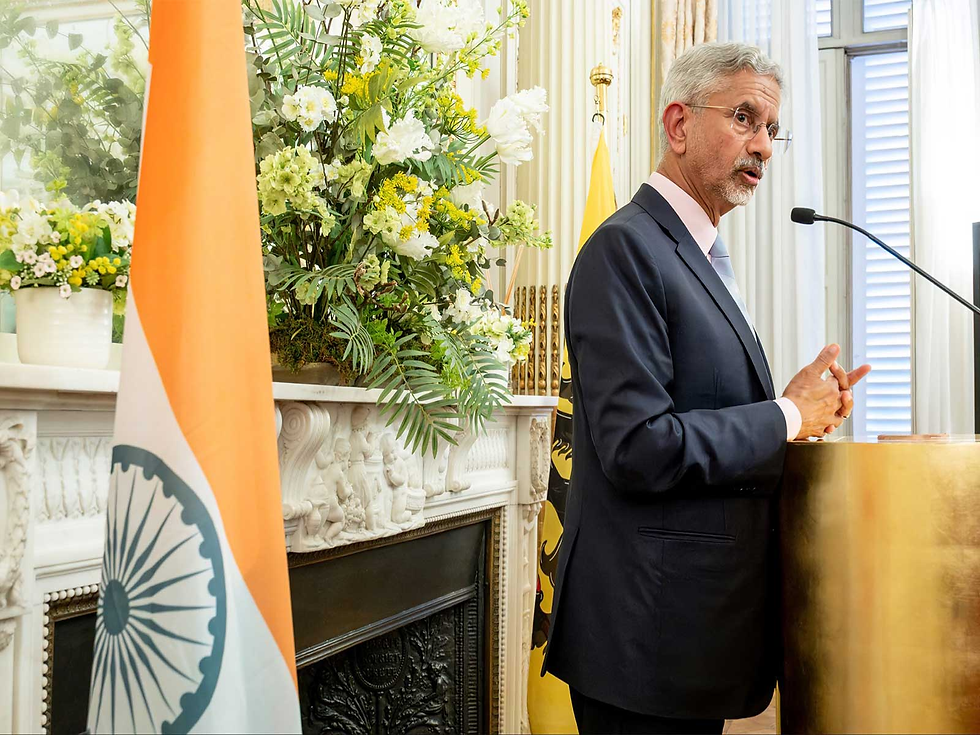
External Affairs Minister S Jaishankar’s two-day visit to Brussels has underscored the growing depth and momentum in India-EU relations. High-level meetings with senior European leaders focused on implementing key outcomes from the landmark January 2026 summit, particularly the recently concluded Free Trade Agreement, enhanced technological collaboration, and closer cooperation on security and maritime issues.
Progress Following the Landmark Summit
The visit built directly on the successful India-EU Summit held in New Delhi in January 2026, where European Council President Antonio Costa and European Commission President Ursula von der Leyen joined Republic Day celebrations as chief guests. Co-chaired by Prime Minister Narendra Modi, the summit delivered historic results, including the conclusion of negotiations for a comprehensive Free Trade Agreement and the establishment of a new Security and Defence Partnership.
During his meetings in Brussels, Jaishankar reviewed the significant advancements made since then. He held detailed discussions with Costa and European Commission Vice President Kaja Kallas on trade facilitation, technology cooperation, supply chain resilience, and regional security matters. These conversations highlighted a shared commitment to translating high-level agreements into practical outcomes that benefit both economies and contribute to global stability.
Focus on Trade, Technology, and Economic Cooperation
A central highlight of the visit was India’s participation in the 3rd India-EU Trade and Technology Council (TTC) meeting. Accompanied by Union Minister Piyush Goyal and Minister of State Jitin Prasada, Jaishankar engaged with EU counterparts to ensure the FTA’s smooth implementation. The agreement, expected to enter into force in early 2027, promises substantial tariff reductions and improved market access. It is anticipated to boost two-way trade — already exceeding €180 billion annually — while opening new avenues for sectors ranging from textiles and pharmaceuticals to automobiles and digital services.
Leaders emphasized the importance of resilient supply chains and reducing dependencies through diversified partnerships. Discussions also explored opportunities for deeper business and investment linkages, particularly with regions like Flanders in Belgium. The TTC platform continues to serve as a vital mechanism for collaboration in emerging areas such as semiconductors, artificial intelligence, cybersecurity, clean energy, and digital governance.
Security, Maritime, and Global Issues
Security and strategic matters featured prominently in the talks. Jaishankar and Kallas exchanged views on the situation in West Asia, the need for peace and stability, and the importance of safe and unimpeded maritime commerce. Both sides expressed interest in strengthening cooperation between the Indian Navy and EU naval operations in the Indo-Pacific to uphold freedom of navigation and protect critical sea lanes.
These discussions reflect a broader convergence between India and the EU on global challenges, including supply chain security and defence-industrial collaboration. The partnership aims to foster greater mobility of skilled talent and promote sustainable development initiatives.
Looking Ahead: A Strategic Partnership for the Future
Jaishankar’s engagements in Brussels, including bilateral meetings with Belgian officials, demonstrate the multifaceted nature of India-EU ties. From economic integration to strategic alignment, both sides are working to unlock the full potential of their relationship in an increasingly complex global environment.
The MGMM Outlook
India's growing engagement with the European Union reflects a clear shift towards building long-term strategic partnerships based on mutual trust, economic growth, and technological innovation. The progress made since the January 2026 India-EU Summit, particularly the advancement of the Free Trade Agreement and collaboration through the Trade and Technology Council, demonstrates India's expanding role as a trusted global partner. Strengthening cooperation in areas such as semiconductors, artificial intelligence, clean energy, digital governance, and resilient supply chains also aligns with India's broader vision of becoming a leading innovation and manufacturing hub.
The emphasis on maritime security, defence cooperation, and regional stability further highlights the evolving nature of India-EU relations beyond traditional trade. As global geopolitical and economic challenges continue to reshape international partnerships, closer coordination between India and the European Union can contribute to secure supply chains, greater investment opportunities, and a stable Indo-Pacific region. Sustained implementation of these initiatives has the potential to create lasting economic benefits while reinforcing India's position as a key pillar in shaping a balanced, rules-based global order.
(Sources: India Today, The Indian Express, News18)


Comments