
India Calls for Action Against Chinese Vloggers Accused of Portraying Dhaka as New Delhi to Spread False Narratives

India has raised serious concerns over reports of Chinese vloggers allegedly misrepresenting neighbourhoods in Dhaka, Bangladesh, as locations in New Delhi while livestreaming to audiences in China. The controversy has drawn attention to the growing misuse of social media to circulate misleading information and create distorted perceptions about countries through fabricated geographical claims.
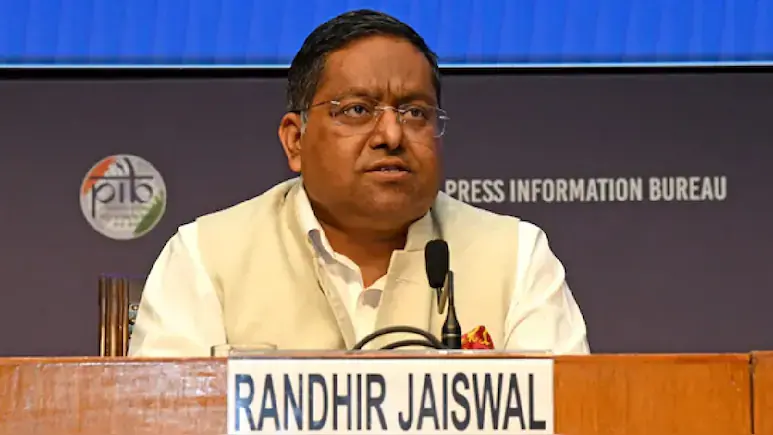
Responding to the reports, Ministry of External Affairs (MEA) spokesperson Randhir Jaiswal stated that such attempts to spread false narratives were unfortunate. He emphasised that those involved in circulating misleading content damage their own credibility as well as that of those supporting them. India has urged the concerned authorities to take appropriate action against the individuals responsible.
The issue came to light following media investigations in Bangladesh that documented Chinese content creators filming in economically disadvantaged neighbourhoods of Dhaka and allegedly presenting the footage as scenes from India's capital. The incident has raised questions about the intentions behind these activities and the responsibility of online platforms in preventing deceptive content.
Chinese Vloggers Allegedly Present Dhaka Streets as Delhi
According to an investigation by Bangladeshi newspaper Prothom Alo, a large number of Chinese nationals were reportedly involved in recording videos and conducting livestreams from areas such as Tekpara and Uttara in Dhaka. They allegedly showed narrow streets, modest residential buildings, roadside shops and local neighbourhoods while claiming that the locations were in New Delhi.
Some of these livestreams reportedly included derogatory comments about sanitation, infrastructure, food habits and the living conditions of local residents. In one reported incident, a Chinese content creator identified as Mianmian, reportedly from China's Sichuan province, livestreamed from Uttara Sector 12 on November 1 and allegedly described the area as part of New Delhi.
Another reported incident involved a Chinese vlogger making offensive remarks about tea served at a local stall. Such content has raised concerns that ordinary footage was being presented with misleading geographical identities and negative descriptions to influence viewers' perceptions of India.
Bangladesh Raises Concerns Over Filming Activities
The controversy has also highlighted concerns about the privacy and dignity of residents in the affected neighbourhoods. According to media reports, some local people objected to being filmed in residential areas and inside their homes without adequate consent. The activities reportedly continued over several months, with some Bangladeshi residents assisting the foreign content creators as local guides.
Earlier reporting by The Business Standard had also drawn attention to Chinese vloggers filming in low-income neighbourhoods of Dhaka. Subsequent investigations brought greater scrutiny to the alleged practice of presenting these locations as parts of New Delhi.
Following the controversy, Bangladeshi authorities reportedly increased surveillance of the individuals involved. Police officials in Uttara indicated that the activities had declined after intervention by law enforcement agencies. The development reflects the importance of addressing such incidents through appropriate investigation and cooperation between the concerned authorities.
Digital Misinformation and India's Global Image
The incident highlights a wider challenge associated with social media, where misleading videos and fabricated descriptions can quickly reach international audiences. Visual content often influences public opinion, particularly when viewers are unfamiliar with the locations being shown. By falsely identifying Dhaka neighbourhoods as Indian locations, content creators risk creating inaccurate impressions about India's infrastructure, urban development and living standards.
In an increasingly connected world, digital platforms have become important channels for international communication and cultural exchange. However, their growing influence also creates opportunities for misinformation, sensationalism and deliberate misrepresentation. Content creators have a responsibility to ensure that their videos are factually accurate and do not exploit ordinary people or mislead audiences for online engagement.
India's response underscores the importance of protecting factual information and ensuring accountability for misleading online activities. Investigating such incidents and strengthening cooperation with concerned countries can help prevent similar controversies and discourage the misuse of digital platforms.
The MGMM Outlook
The controversy surrounding Chinese vloggers allegedly portraying neighbourhoods in Dhaka as locations in New Delhi highlights the growing threat of digital misinformation and deliberate attempts to create misleading narratives about India. By presenting footage from Bangladesh as scenes from India's capital and attaching negative descriptions to local living conditions, these content creators risk distorting international perceptions of India's development and urban infrastructure. India's strong response through the Ministry of External Affairs reinforces the importance of factual representation and accountability in digital communication. Calling for appropriate action against those involved is an important step towards discouraging the misuse of social media to spread misleading information.
The incident also highlights the need for greater responsibility among international content creators and digital platforms, particularly when online material can influence public opinion across borders. India's growing global presence and development achievements make it important to counter fabricated narratives with facts, transparency and credible information. Bangladesh's reported action to monitor the activities further underlines the importance of addressing such concerns through proper investigation and cooperation. Social media should serve as a platform for genuine cultural exchange and information, not as a tool to misrepresent countries or undermine their international image.
(Sources: NDTV, India Today, Hindustan Times)


Comments