
Centre Accelerates Examination Reforms to Strengthen Integrity of Public Exams Amid NEET Protests
- MGMMTeam

- Jul 27
- 4 min read
The Central Government has announced a comprehensive set of reforms aimed at reinforcing the integrity of India's public examination system following concerns raised over the alleged NEET paper leak. The measures include strengthening existing anti-paper leak laws, improving examination security, and introducing institutional reforms to ensure that competitive examinations remain fair, transparent, and credible.
Recognising the importance of restoring confidence among millions of students, the government has stated that protecting the sanctity of public examinations is a national priority. The latest initiatives are designed to address immediate concerns while laying the foundation for a more secure and technology-driven examination framework in the years ahead.
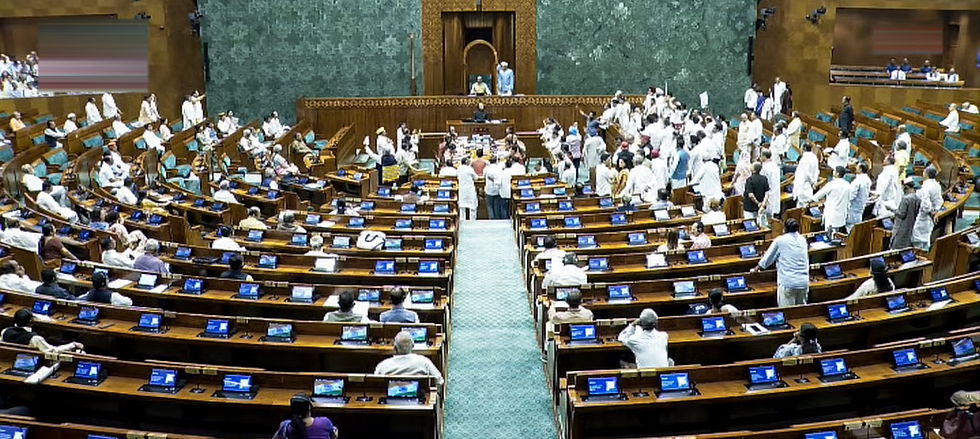
Concerns Over Examination Security Lead to Calls for Reform
The alleged irregularities in the National Eligibility-cum-Entrance Test (NEET), one of India's largest medical entrance examinations, led to widespread public discussion about examination security and the need for stronger safeguards. Students, parents, educators, and several organisations called for measures that would further strengthen the integrity of competitive examinations and prevent similar incidents in the future.
As discussions gained momentum across the country, the issue also became the subject of public demonstrations in New Delhi, where student groups and youth organisations urged authorities to introduce long-term structural reforms. The developments highlighted the importance of maintaining confidence in examinations that determine admissions to professional courses and government recruitment.
Government Moves to Strengthen Anti-Paper Leak Framework
Responding to the concerns, the Centre initiated amendments to the existing anti-paper leak legal framework to make it more robust and effective. The proposed changes seek to impose stricter penalties on individuals and organised networks involved in examination malpractice while strengthening investigative mechanisms to ensure swift action against offenders.
Officials have emphasised that examination fraud undermines merit and affects the aspirations of deserving candidates. By reinforcing legal provisions and improving coordination between investigative agencies and examination authorities, the government aims to create a stronger deterrent against future attempts to compromise public examinations.
Technology and Institutional Reforms Take Centre Stage
Alongside legislative changes, the government has announced broader reforms focused on modernising the examination ecosystem. Greater use of digital technology, secure question paper management systems, biometric verification, enhanced surveillance, and stronger cybersecurity protocols are among the measures being considered to improve examination security.
The Centre has also constituted an expert committee comprising experienced professionals from technology, education, and administration to recommend long-term reforms. The committee is expected to suggest measures that will further enhance transparency, operational efficiency, and the reliability of public examinations across the country.
Constructive Dialogue with Stakeholders
As part of its response, the government has engaged with representatives of student groups and other stakeholders to understand their concerns and discuss possible solutions. The consultations focused on strengthening examination processes while ensuring that deserving students continue to receive fair opportunities.
The dialogue reflects the government's emphasis on addressing concerns through institutional reforms and collaborative policymaking. Authorities have reiterated their commitment to implementing practical measures that safeguard the interests of students while preserving the credibility of India's examination system.
Ensuring Fair Opportunities for Every Aspirant
India conducts some of the world's largest competitive examinations every year, with millions of candidates appearing for entrance and recruitment tests. Maintaining the integrity of these examinations is essential not only for educational institutions but also for public trust in the country's merit-based selection processes.
Education experts have observed that a combination of stronger legislation, technological innovation, improved administrative oversight, and regular security audits can significantly reduce the possibility of examination-related malpractice. The government's ongoing reforms seek to integrate these elements into a more resilient examination framework.
A Step Towards a Stronger Examination System
The latest initiatives represent a significant effort to modernise India's public examination infrastructure and enhance safeguards against malpractice. By combining legal reforms with technological advancements and institutional improvements, the Centre aims to ensure that future examinations are conducted with greater transparency, efficiency, and security.
As these reforms are implemented, they are expected to strengthen public confidence in the examination system while reinforcing the principle that merit, fairness, and equal opportunity remain at the heart of India's educational and recruitment processes.
The MGMM Outlook
The Centre's decision to strengthen the legal and institutional framework governing public examinations reflects the importance of protecting merit-based opportunities for millions of students. By introducing stricter anti-paper leak measures, expanding the use of technology, and proposing long-term structural reforms, the government is taking steps to reinforce transparency and improve the overall security of competitive examinations. These measures have the potential to create a more resilient examination system that better safeguards the interests of genuine aspirants.
The focus on expert recommendations, enhanced cybersecurity, biometric verification, and greater coordination between examination authorities and investigative agencies indicates a broader commitment to modernising India's examination infrastructure. As these reforms are implemented, they can help restore public confidence in the fairness of competitive examinations while ensuring that future recruitment and admission processes remain credible, secure, and based on merit.
(Sources: Firstpost, NDTV, The New Indian Express)


Comments