
BRICS Expansion: A New Era for India and the Global South

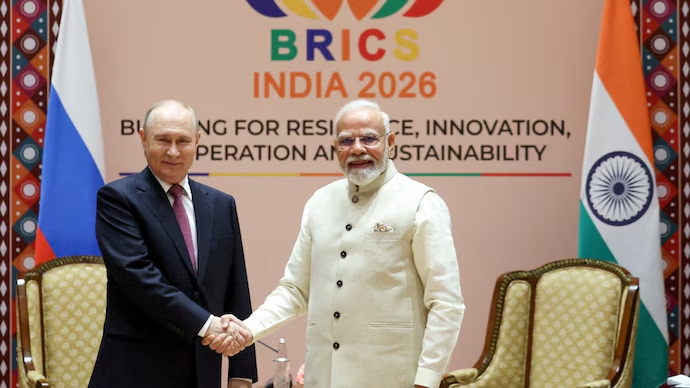
The BRICS coalition, originally formed by Brazil, Russia, India, China, and South Africa, is undergoing a transformative phase with its recent expansion in early 2024. The addition of new members Egypt, Ethiopia, Iran, Saudi Arabia, and the UAE marks a significant shift in global geopolitics and economic dynamics. This expanded grouping now represents nearly half of the world’s population and wields considerable influence over global economic output, energy resources, and political discourse.

The Significance of BRICS Expansion
The recent enlargement of BRICS is more than a mere increase in member count; it is a recalibration of global power structures. The inclusion of oil-rich nations such as Iran, Saudi Arabia, and the UAE greatly enhances the bloc’s control over global crude oil production, now estimated at about 44%. This augmented energy capacity not only strengthens the group's economic muscle but also offers members, particularly India, new avenues for securing vital energy supplies.
Simultaneously, the expansion revitalizes the financial architecture of the Global South. The New Development Bank (NDB), founded in 2015 as a BRICS initiative to fund infrastructure and sustainable development projects, has already disbursed billions across a wide range of sectors in emerging economies. With the upcoming launch of the BRICS Multilateral Guarantee Fund (BMG), scheduled for July 2025, the bloc aims to attract private investments into member nations, providing guarantees akin to the World Bank’s MIGA. This fund is expected to facilitate a substantial increase in capital flow to developing countries, further diminishing dependence on Western financial institutions.
Another crucial element of this expansion is BRICS’ concerted effort to reduce the dominance of the US dollar in international trade. By encouraging transactions in local currencies and enhancing South-South cooperation, BRICS is paving the way for a more multipolar and balanced global financial system.
Implications for India: Opportunities and Challenges
For India, BRICS’ evolution presents both promising opportunities and complex challenges. On the economic front, the expanded membership offers India diversified trade partnerships and access to competitive energy resources. This diversification is particularly important as India’s energy demand surges alongside its rapid economic growth. Moreover, new markets within the bloc provide Indian industries—ranging from electronics to textiles—with fresh avenues for exports, potentially easing India’s reliance on Western markets.
In terms of financial influence, India stands to benefit from an enhanced role within the New Development Bank and other BRICS-led institutions. By guiding the bank’s priorities toward climate-smart infrastructure and sustainable urban development, India can align these projects with its own development agenda. The existing Contingent Reserve Arrangement, a liquidity support mechanism among BRICS countries, further bolsters economic resilience amid global financial uncertainties.
However, India’s diplomatic path within the expanded BRICS requires delicate balancing. The bloc now encompasses a wider spectrum of political systems and interests, from vibrant democracies to authoritarian regimes. India must carefully navigate this diversity to maintain its strategic autonomy. It faces the challenge of engaging robustly with BRICS while preserving strong ties with Western partners and forums such as the Quad. Additionally, India must be cautious not to allow any single member, particularly China, to dominate the bloc’s agenda and decision-making processes.
Navigating Geopolitical Complexities and Risks
The growth of BRICS is not without geopolitical complications. China’s strong advocacy for rapid expansion has sparked concerns that it could steer the bloc toward advancing its own global vision, potentially sidelining the interests of other key members like India and Brazil. The increased diversity within BRICS, while a strength in some respects, also makes consensus more difficult to achieve. Differing perspectives on governance, human rights, and international relations add layers of complexity to unified action.
Moreover, recent BRICS statements have taken a noticeably critical tone toward Western-led institutions, calling for reforms and alternatives. This rhetoric, while reflective of legitimate Global South grievances, risks exacerbating tensions between East and West at a time when international cooperation remains crucial. The bloc’s efforts to de-dollarize trade and finance could unsettle global currency markets and invite resistance from established Western financial powers.
Looking Forward: The Road Ahead for BRICS and India
The upcoming BRICS summit in Rio de Janeiro in July 2025 is expected to further solidify these developments, with the formal launch of the BRICS Multilateral Guarantee Fund being a central agenda item. The bloc is also considering additional applicants, including Uruguay and Algeria, which could extend BRICS’ reach even further into Latin America and Africa. As BRICS deepens its institutional collaborations, members are likely to increase joint projects in transport infrastructure, clean energy, digital finance, and urban sustainability.
For India, success within this evolving coalition depends on its ability to leverage economic benefits without compromising strategic flexibility. By championing development-focused cooperation over geopolitical rivalry, India can help shape BRICS into a platform that genuinely reflects the interests and aspirations of the Global South. The country’s growing global stature and diplomatic acumen position it well to navigate the complex dynamics of this new, expanded grouping.
Conclusion
The expansion of BRICS heralds a new chapter in international relations, one where emerging economies assert greater influence over trade, finance, and global governance. For India and the Global South at large, this represents both an opportunity and a challenge. With careful diplomacy, strategic foresight, and a commitment to inclusive development, India can maximize the benefits of BRICS’ growth while maintaining a balanced, multipolar world order. The success of this endeavor will significantly shape the trajectory of global power and cooperation in the decades to come.

Comments