
Amit Shah Highlights Uniform Civil Code, Promises Ban on Polygamy in Bengal

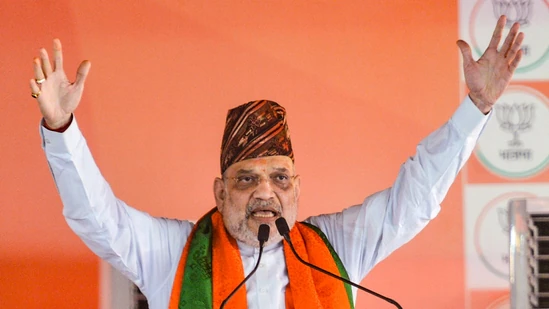
Union Home Minister Amit Shah has brought the Uniform Civil Code (UCC) into focus during the Bharatiya Janata Party’s (BJP) campaign in West Bengal. Addressing a public rally in Kulti, he stated that if the BJP forms the government in the state, it will implement the UCC and introduce measures that would prohibit the practice of multiple marriages.
UCC as a Step Toward Legal Uniformity
During his address, Shah described the Uniform Civil Code as a framework intended to ensure equal laws for all citizens, regardless of community. He explained that the reform would bring consistency to personal laws governing marriage, divorce, and inheritance. According to him, once implemented, the UCC would put an end to the practice of polygamy by establishing a single legal standard across society.
The idea of a Uniform Civil Code has been part of broader legal discussions in India for years, with supporters viewing it as a step toward equality and uniformity in civil matters.
Focus on Governance and Policy Direction
The announcement comes as political activity intensifies ahead of elections in West Bengal. By emphasising the UCC, the BJP is presenting a policy-driven approach that highlights legal reform alongside governance priorities. Shah also spoke about strengthening administration, improving law and order, and ensuring transparent systems within the state.
He outlined that governance reforms would be aimed at creating a structured and accountable system, with a focus on public welfare and efficient implementation of policies.
Economic Development and Employment Vision
In addition to legal reforms, Shah highlighted the importance of economic growth and employment generation. He spoke about reviving industrial regions such as Kulti and creating opportunities for young people through investment and development initiatives.
The broader vision presented included strengthening infrastructure, encouraging industries, and supporting local economies to create sustainable growth. Employment generation and economic stability were emphasised as key priorities for the state’s future.
Ongoing Discussion Around UCC
The Uniform Civil Code remains an important topic of discussion across the country. While many view it as a move toward equal rights and simplified legal systems, it also invites conversations about how such a framework would be implemented in a diverse society.
As discussions continue, the focus remains on balancing legal uniformity with the country’s varied cultural and social practices.
The MGMM Outlook
Amit Shah’s emphasis on the Uniform Civil Code (UCC) in West Bengal positions legal uniformity as a central pillar of governance reform. By linking the UCC with the proposed ban on polygamy, the narrative highlights an attempt to standardize personal laws and create a consistent legal framework across communities. This approach reflects a broader push toward simplifying legal structures governing marriage, inheritance, and family matters, while also bringing the debate on equality and uniformity back into the national spotlight.
At the same time, the focus on UCC is being presented alongside governance and development priorities, suggesting a combined agenda of legal reform and economic progress. The emphasis on industrial revival, employment generation, and administrative transparency indicates an effort to align structural legal changes with tangible improvements in public welfare. As discussions around the UCC continue, the intersection of legal uniformity with social diversity remains a key aspect shaping how such reforms are perceived and potentially implemented.
(Sources: Hindustan Times, Business Standard, The Indian Express)



Comments